


In the digital age, server latency is a critical factor that can significantly impact the performance and user experience of online services. As a server supplier, we understand the challenges businesses face in dealing with high latency and are committed to providing solutions to reduce it. In this blog post, we will explore various strategies to reduce server latency and introduce some of our high - performance server models.
Understanding Server Latency
Server latency refers to the time delay between a client sending a request to a server and receiving a response. It is typically measured in milliseconds (ms). High latency can lead to slow - loading web pages, lag in online games, and poor performance in real - time applications. There are several factors that contribute to server latency, including network congestion, server hardware limitations, inefficient software configurations, and geographical distance between the client and the server.

Strategies to Reduce Server Latency
1. Optimize Network Infrastructure
- Use High - Speed Networks: Ensure that your servers are connected to high - speed networks with low latency. Fiber - optic connections are often the best choice as they offer high bandwidth and low signal loss.
- Reduce Network Hops: Minimize the number of network devices (such as routers and switches) between the client and the server. Each network hop adds a small amount of latency, so reducing the number of hops can significantly improve response times.
- Implement Content Delivery Networks (CDNs): CDNs are a network of servers distributed globally that cache and deliver content to users from the server closest to them. By using a CDN, you can reduce the geographical distance between the user and the content, thereby reducing latency.
2. Upgrade Server Hardware
- High - Performance Processors: Invest in servers equipped with the latest and most powerful processors. Processors with high clock speeds and multiple cores can handle requests more quickly, reducing the time it takes to process and respond to client requests. For example, our server models like the NF8480 M6 are powered by advanced processors that offer excellent performance and low latency.
- Ample Memory (RAM): Ensure that your servers have enough memory to handle the workload. Insufficient RAM can lead to disk swapping, which significantly increases latency. By having enough RAM, the server can store frequently accessed data in memory, allowing for faster access.
- Fast Storage Devices: Use solid - state drives (SSDs) instead of traditional hard disk drives (HDDs). SSDs have much faster read and write speeds, which can reduce the time it takes to retrieve and store data, thus lowering latency.
3. Optimize Server Software
- Efficient Operating Systems: Choose an operating system that is optimized for server performance. Linux distributions such as Ubuntu Server and CentOS are popular choices due to their stability, security, and performance.
- Database Optimization: If your application relies on a database, optimize the database schema, indexing, and queries. Poorly designed databases can cause significant latency, especially when dealing with large amounts of data.
- Web Server Configuration: Configure your web server (such as Apache or Nginx) to optimize performance. Adjust settings such as the number of worker processes, buffer sizes, and keep - alive timeouts to improve response times.
4. Server Location and Clustering
- Geographical Proximity: Place your servers in locations that are geographically close to your target users. This reduces the physical distance that data needs to travel, thereby reducing latency. For example, if your users are primarily located in Europe, consider hosting your servers in European data centers.
- Server Clustering: Implement server clustering to distribute the workload across multiple servers. By having multiple servers working together, you can handle more requests simultaneously, reducing the load on each individual server and improving response times. Our H3C R5300 G3 G5 servers are well - suited for clustering environments, providing high availability and low latency.
5. Monitoring and Tuning
- Regular Monitoring: Continuously monitor your server performance and latency using monitoring tools. Tools like Nagios, Zabbix, and Prometheus can help you track key metrics such as CPU usage, memory usage, network traffic, and response times.
- Performance Tuning: Based on the monitoring data, make adjustments to your server hardware, software, and network configurations. For example, if you notice that your CPU is constantly at 100% usage, you may need to upgrade your processor or optimize your application code.
Our Server Solutions
As a professional server supplier, we offer a wide range of high - performance servers that are designed to reduce latency and improve overall performance.
The NF8480 M6 is a powerful 4 - socket server that combines high - performance computing with excellent scalability. It is equipped with advanced processors, large amounts of memory, and fast storage options, making it ideal for applications that require high - speed data processing and low latency.
The H3C R5300 G3 G5 servers are known for their reliability and performance. They support various virtualization technologies and can be easily integrated into existing data center environments. With their efficient design and high - speed networking capabilities, they can effectively reduce server latency.
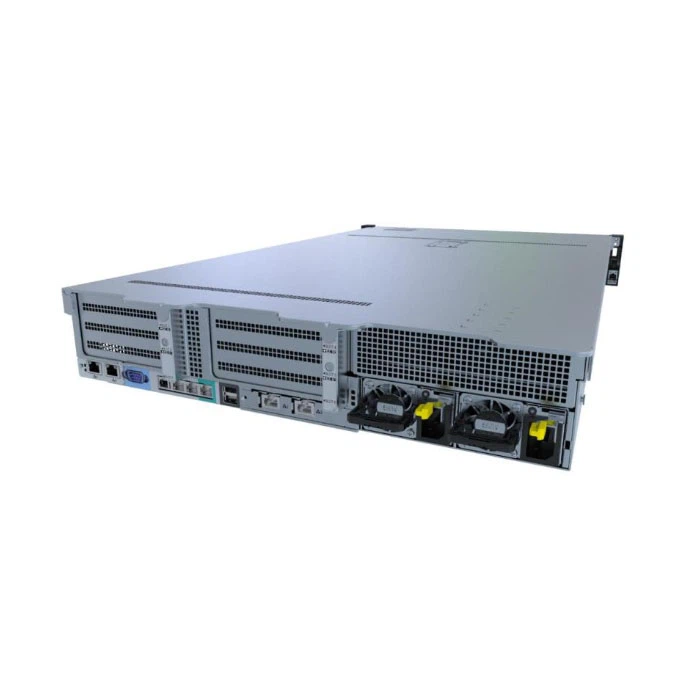
The Huawei Server 2288h V5 is a popular choice for businesses of all sizes. It offers a balance of performance, reliability, and cost - effectiveness. The server is optimized for various applications and can be configured to meet your specific latency requirements.
Contact Us for Procurement and Consultation
If you are looking to reduce server latency and improve the performance of your online services, we are here to help. Our team of experts can provide you with customized solutions based on your specific needs. Whether you need advice on server selection, network optimization, or software configuration, we have the knowledge and experience to assist you.
Contact us today to start a discussion about your server requirements and how we can help you achieve lower latency and better performance.
References
- Tanenbaum, A. S., & Wetherall, D. J. (2011). Computer Networks. Pearson.
- Kurose, J. F., & Ross, K. W. (2017). Computer Networking: A Top - Down Approach. Pearson.
- O'Reilly, T. (2005). What Is Web 2.0: Design Patterns and Business Models for the Next Generation of Software. O'Reilly Media.


