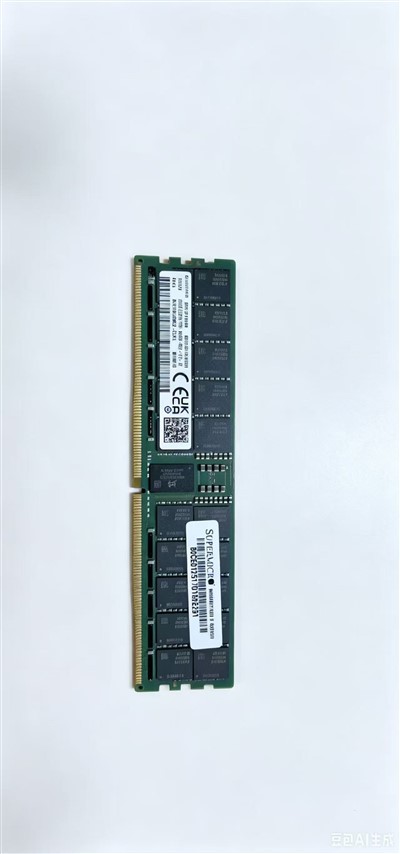

The weight of a server varies depending on its type, configuration, and manufacturing materials. There is no uniform standard weight. But in general, a common tower server may weigh between 20 and 40 kilograms, while a rack-mount server may be lighter.
When we talk about the weight of a server, there is actually no fixed answer, because the weight of a server is affected by many factors, including its hardware configuration, chassis material, design, and whether it contains redundant power supplies. The weight of servers of different brands, models, and configurations will vary.
1. Factors affecting server weight
1. Hardware configuration: The hardware configuration of a server, such as the number and type of processors, memory, hard drives, etc., will affect its overall weight. For example, a server equipped with multiple hard drives and high-end processors tends to be heavier than a server with only basic configurations.
2. Chassis material: The material of the chassis will also affect the weight of the server. Metal chassis are generally heavier than plastic chassis, but they are also more durable and stable.
3. Design factors: The design of the server, such as whether redundant power supplies are used, the number and size of cooling fans, etc., will also increase its weight.
2. Weight range of common server types
1. Tower servers: Tower servers are usually bulkier because they need to accommodate more hardware components and provide better heat dissipation. Generally speaking, the weight of a tower server may be between 20 and 40 kg, but this also depends on the specific configuration and material.
2. Rack servers: Rack servers are designed to be more compact to fit in a rack installation environment. Due to the use of lightweight materials and compact design, rack servers are usually lighter than tower servers. However, the specific weight will vary depending on the model and configuration.
In general, the best way to determine the specific weight of a server is to check the official specifications of the server or contact the manufacturer for accurate information. When choosing a server, in addition to considering its weight, you also need to consider its performance, scalability, reliability, and energy consumption.