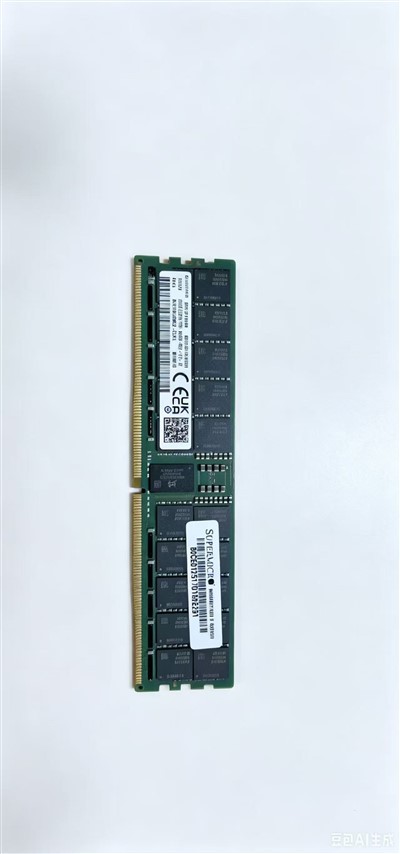
When the random access memory (RAM) capacity of a computer is insufficient to meet the needs of the currently running applications and operating system, a series of performance issues will occur. These issues not only affect user experience, but may also lead to a significant decrease in work efficiency. The following are some of the main issues that may arise from a lack of RAM:
1. Slower system response speed: As more programs and processes attempt to use limited RAM resources, the CPU must frequently switch between different tasks, which can lead to slower system response. Users may notice a significant increase in the system's response time when clicking a button or launching an application.
2. Extended loading time for programs and web pages: Due to insufficient RAM, the operating system may start using hard disk space as virtual memory, a process called "paging". The read and write speed of hard drives is much lower than that of RAM, so when the system frequently exchanges data between RAM and hard drives, the loading time of programs and web pages will be significantly prolonged.
3. System freeze and application crash: In extreme cases, when RAM resources are exhausted, the system may temporarily freeze and users may encounter "unresponsive" applications. In some cases, applications may crash due to the inability to obtain necessary memory resources.
4. Decreased multitasking ability: For users who need to run multiple programs simultaneously, insufficient RAM can greatly limit their multitasking ability. Users may find that system performance drops sharply when they attempt to open multiple documents, browser tabs, or application windows.
5. Impact on system stability: Long term lack of RAM may lead to system stability issues, including blue screen errors (BSOD) and system crashes. These problems are usually caused by the operating system's inability to effectively manage limited memory resources.
6. Impact on large file processing: For users who need to handle large files such as high-definition video editing, 3D modeling, or large database operations, insufficient RAM can seriously affect their work efficiency. These tasks typically require a large amount of memory to quickly load and process data.
7. Restricting the installation and operation of new software: As software is constantly updated and new features are added, their demand for RAM is also increasing. If the user's computer has insufficient RAM, they may not be able to install or run the latest software version.

 English
- English
- Français
- Deutsch
- 日本語
- Italiano
- Español
- Português
- русский
- íslenska
- O'zbek
- Việt Nam
- Srbija jezik (latinica)
- اردو
- bosanski
- Català
- Polski
- Eesti
- हिंदी
- Български
- Čeština
- Latviešu
- বাংলা
- Gaeilgenah Éireann
- suomi
- dansk
- Bai Miaowen
- Türkçe
- Indonesia
- عربي
- Svenska
- slovenčina
- magyar
- România limbi
- Lietuvių
- slovenščina
- فارسی
- ไทย
- Cymraeg
- Kreyòl Ayisyen
- Ελληνικά
- עברית
- Melayu
- Norsk
- 한국어
- hrvatski
- українська
- Malti
- Nederlands