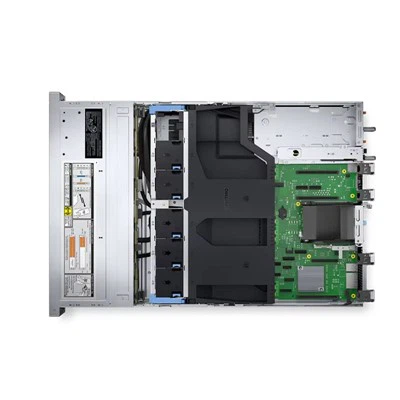
A server, also known as a server, is a high-performance computer in a computer network environment, specifically designed to manage resources and provide services to other computers on the network. The server not only stores and processes most of the data and information on the network, but also is responsible for providing stable, secure, and efficient services to clients. There are various types of servers, including file servers, database servers, application servers, and web servers, which are classified according to the types of services provided.
From a hardware perspective, servers share many similarities with regular computers, including components such as processors, memory, hard drives, and system buses. However, the hardware requirements for servers far exceed those of regular computers. In order to ensure the continuity and efficiency of services, servers have higher standards in terms of stability, security, performance, and other aspects. This means that the CPU, chipset, memory, disk system, and network hardware of the server need to be specially designed and optimized to meet the requirements of high load, high concurrency, and continuous operation.
The role and importance of servers
Servers play an increasingly important role in modern society. They not only support the Internet infrastructure, but also profoundly affect our daily life. Firstly, the server is the cornerstone of web browsing. When we visit a webpage, we are actually sending a request to the server. Upon receiving the request, the server will return the webpage's HTML, CSS, JavaScript, and other resources, which are then parsed and rendered in our browser.
Secondly, servers are also the backend support for numerous online services. Whether it's email, social media, or online shopping, there are always one or more sets of servers silently processing data and requests. In addition, servers also bear the responsibility of data storage. A large number of documents, pictures, videos and other data are stored on the server, and users can access these data anytime and anywhere through the Internet.
The location of the server in the network
The location of servers in the network is flexible and versatile. They can be located in large data centers, managed and maintained by cloud service providers, and may even exist in data centers or offices within enterprises or organizations.
Large data centers typically have high-speed network connections, redundant power and cooling systems, and strict security measures to ensure stable server operation and data security. Cloud service providers set up data centers around the world to provide efficient data access and redundant backups. For enterprises or organizations that have their own servers, the servers may be located within their internal network to support specific business needs.
The relationship between the server and us
Servers are closely connected to our lives and are almost ubiquitous. Whether it's our daily web browsing, online shopping, or file storage and sharing at work, there is always support and participation from servers. The server provides us with a stable, efficient, and secure service environment, making our digital life more convenient and rich.
As a core component in computer networks, servers not only bear the heavy responsibility of data storage, processing, and transmission, but also provide us with numerous online services and conveniences. Understanding the basic knowledge of the server and its position in the network will help us better understand the operation mechanism of modern Internet society.

 English
- English
- Français
- Deutsch
- 日本語
- Italiano
- Español
- Português
- русский
- íslenska
- O'zbek
- Việt Nam
- Srbija jezik (latinica)
- اردو
- bosanski
- Català
- Polski
- Eesti
- हिंदी
- Български
- Čeština
- Latviešu
- বাংলা
- Gaeilgenah Éireann
- suomi
- dansk
- Bai Miaowen
- Türkçe
- Indonesia
- عربي
- Svenska
- slovenčina
- magyar
- România limbi
- Lietuvių
- slovenščina
- فارسی
- ไทย
- Cymraeg
- Kreyòl Ayisyen
- Ελληνικά
- עברית
- Melayu
- Norsk
- 한국어
- hrvatski
- українська
- Malti
- Nederlands