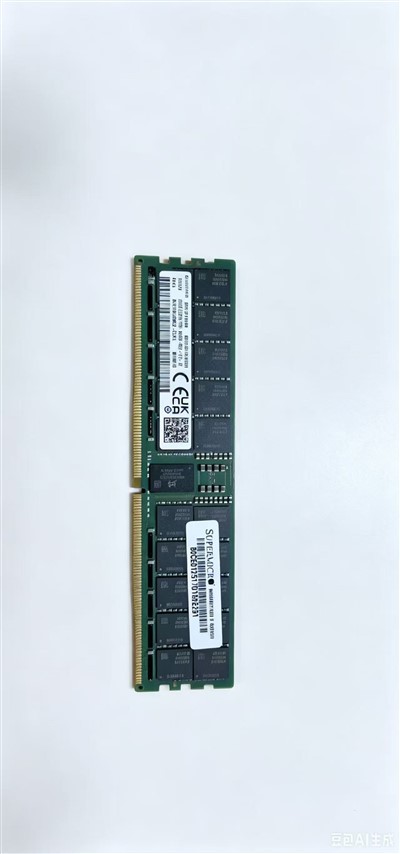

The server is mainly composed of hardware components and software components.
Hardware components
Server chassis: A metal shell used to carry and protect other hardware components.
Motherboard: The core of the server, connecting various hardware components, and responsible for data transmission and supporting various interfaces.
Central Processing Unit (CPU): The most important component of the server, responsible for performing calculations and running programs, usually using a high-performance multi-core processor.
Memory (RAM): Used to store running programs and data. High-performance servers are usually equipped with large-capacity memory.
Hard Drive: Used to store the server's operating system, applications, and data. It can be a traditional hard disk drive (HDD) or a solid-state hard drive (SSD).
Power Supply: Provides power to the server to ensure stable power supply. Servers are usually equipped with redundant power supplies to improve system reliability.
Network Interface Card (NIC): Used to connect the server to the network and realize data transmission between the server and other devices.
Cooling System: Used to dissipate the heat generated by the server host and other components to ensure stable operation of the server.
Software Components
Operating System: Servers usually run a specialized operating system, such as Windows Server, Linux, Unix, or FreeBSD, which manages hardware resources, provides an operating environment, and provides services.
Server Applications: Applications specifically designed to run on servers, such as web servers (Apache, Nginx), database servers (MySQL, Oracle), mail servers (Exchange), etc.
Security Software: This includes firewalls, intrusion detection systems, and security patches, which are used to protect servers from malicious attacks and security vulnerabilities.
Management Software: Tools for managing and monitoring servers, allowing administrators to remotely manage servers, monitor performance, and troubleshoot.
In addition, depending on the type and purpose of the server, other components may also be included, such as racks/cabinets (physical structures used to store and organize servers), virtualization software (used to create virtual server instances), database management systems (DBMS), etc.
In general, the composition of a server is complex and sophisticated, and the various components work closely together to ensure the stable operation and efficient performance of the server.