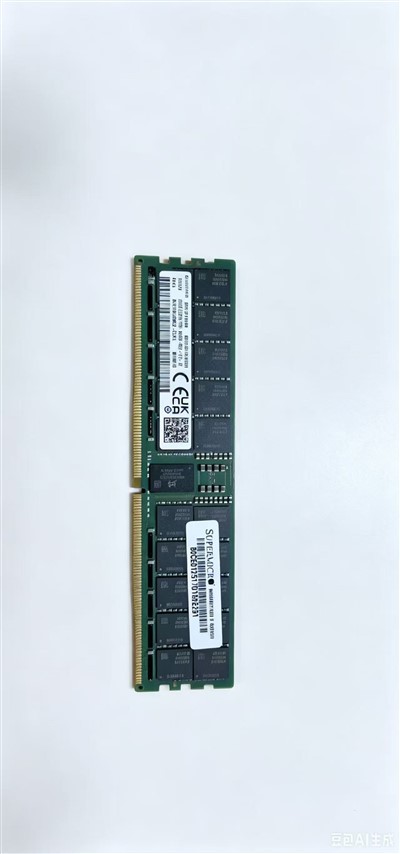

Many people believe that "workstation = high-end computer", but the difference between the two lies in their professional adaptability.
The Core Difference From Ordinary PCs
The CPU/GPU of ordinary PCs focus on entertainment, while the Xeon/W workstation-level CPUs installed in the client workstations support ECC error-correcting memory (client RAM), and will not cause project crashes due to memory errors when performing 3D rendering and video editing; the graphics card uses professional-level Quadro, with a graphics processing accuracy over 30% higher than that of gaming graphics cards, and is compatible with industrial design software (such as AutoCAD) for complex model rendering.
Adaptation Solutions For Different Scenarios
Film and television post-production studio: Select a client workstation equipped with 2TB SSD (system disk) + 8TB HDD (素材 disk), with 64G RAM, which can smoothly edit 4K videos; Research institutions: Select a client workstation that supports dual CPUs, combined with the client's 128G RAM, which can run multi-threaded data analysis programs; Programming team: Select a client lightweight workstation that balances performance and mobility, suitable for remote code compilation requirements.
Advantages Of Long-term Use
The cooling system of the client workstation supports 7×24-hour operation, and has a longer lifespan than that of ordinary PCs by 2-3 years; It has rich interfaces (multiple USB-C, Thunderbolt ports), and can directly connect professional peripherals (such as drawing tablets, high-definition monitors), without the need for additional adapters.