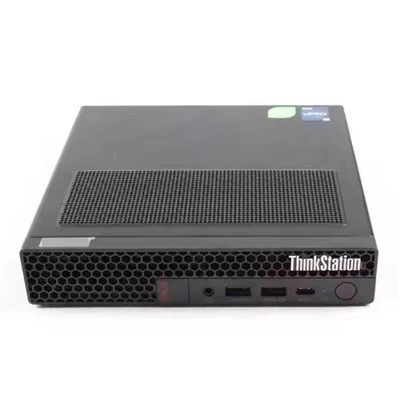


Hey there, tech enthusiasts! As a supplier of the HDD 22TB, I've been getting a lot of questions lately about the difference between our 22TB HDD and the newer 24TB HDD in terms of performance. So, I thought I'd take a deep dive into this topic and share my insights with you.
Let's start with the basics. Capacity is the most obvious difference between the two. The 24TB HDD offers a larger storage space compared to the HDD 22TB. This extra 2TB can be a game - changer for some users, especially those in data - intensive industries like media production, scientific research, and large - scale data centers. For instance, a media production company that deals with high - resolution video files and large audio projects might find the additional 2TB very useful to store more raw footage and uncompressed media.
However, capacity isn't everything when it comes to performance. When we talk about HDD performance, we usually look at factors like data transfer rate, access time, and rotational speed.
Data Transfer Rate
The data transfer rate is how fast data can be read from or written to the hard drive. In general, both 22TB and 24TB HDDs are likely to have similar data transfer rate ranges. This is because the technology used for data transfer is often standardized across different capacities within the same generation of HDDs.
Most modern HDDs have a sequential read and write speed that depends more on the interface (like SATA or SAS) and the drive's internal architecture rather than just the capacity. So, whether you have a 22TB or a 24TB HDD, if they are using the same interface and similar internal components, you'll probably see comparable sequential data transfer speeds. For example, a SATA III interface will typically offer a maximum theoretical transfer rate of around 6 Gbps for both drives.
But when it comes to random data transfer (which is important for tasks like opening multiple small files simultaneously), the story can be a bit different. Some 24TB HDDs might be designed with more advanced caching mechanisms or better internal organization to handle random data access more efficiently. However, this isn't always the case. Our HDD 22TB is engineered with a smart caching system that helps it perform well in random data transfer scenarios too.
Access Time
Access time is the time it takes for the HDD to locate and start reading or writing data. It's composed of two main parts: seek time (the time for the read - write head to move to the right position on the disk) and rotational latency (the time for the disk to rotate to the right sector).
In terms of access time, there's no clear - cut winner between the 22TB and 24TB HDDs. It largely depends on the specific model and the manufacturer's design choices. Some older 22TB models might have slightly slower access times compared to newer 24TB ones, but this isn't a rule. Our 22TB HDDs are designed with advanced head - positioning technology to minimize seek time and are built with high - quality platters that reduce rotational latency.
Rotational Speed
Rotational speed is measured in revolutions per minute (RPM). Common rotational speeds for HDDs are 5400 RPM and 7200 RPM. A higher RPM generally means faster data access because the disk rotates more quickly, reducing rotational latency.
Both 22TB and 24TB HDDs can come in different RPM options. If you're comparing two drives with the same RPM, say 7200 RPM, their performance in terms of rotational speed - related factors will be similar. However, if you choose a 22TB HDD with a 7200 RPM and a 24TB HDD with a 5400 RPM, the 22TB drive will likely have better performance in terms of accessing data quickly.
Another aspect to consider is power consumption and heat generation. Larger - capacity drives like the 24TB HDD might consume more power and generate more heat simply because they have more platters to spin and more components working. This can be a concern for users who need to run multiple drives in a tight space, like in a server rack. Our HDD 22TB is optimized for energy efficiency, consuming less power without sacrificing performance. This means less heat generation and lower long - term operating costs.
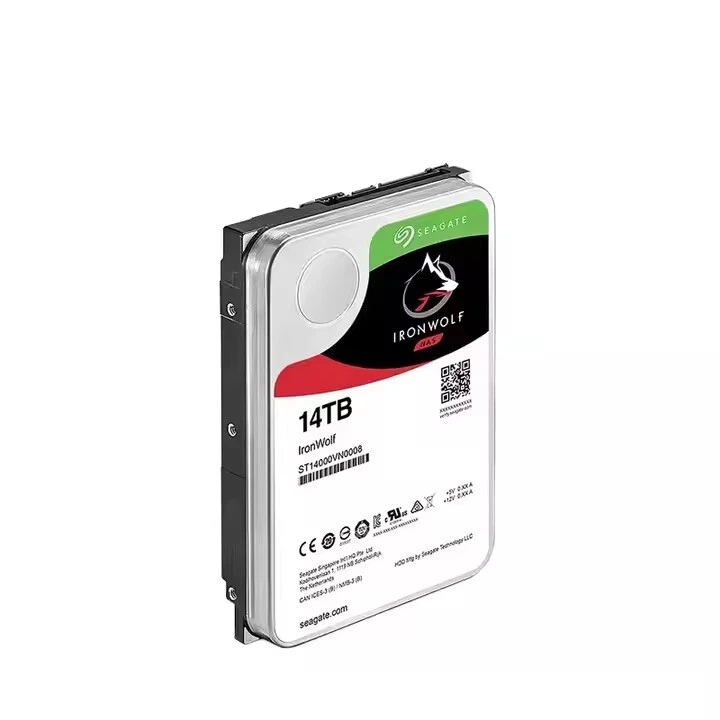
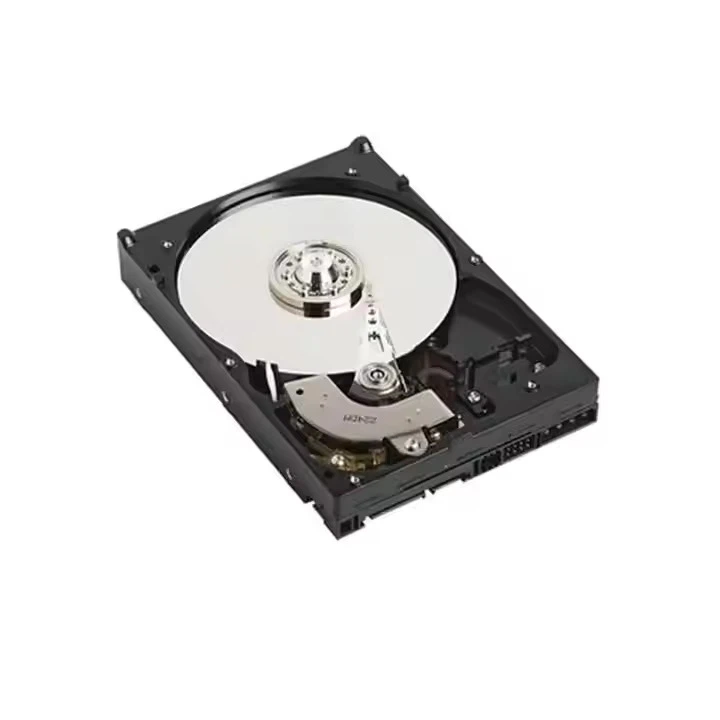
Let's talk about price for a moment. Usually, the 24TB HDDs are more expensive because of their larger capacity. While they offer more storage, for some users, the extra cost might not be justifiable, especially if they don't really need that extra 2TB. If you're on a budget or if your storage needs are just a bit above 20TB, the HDD 22TB can be a great option. It provides a good balance between capacity and cost.
Now, let's touch on compatibility. Both 22TB and 24TB HDDs need to be compatible with your existing system. Most modern computers, servers, and storage enclosures can support large - capacity HDDs. However, some older systems might have limitations. Before upgrading, it's important to check your system's specifications. Our 22TB HDDs are designed to be highly compatible with a wide range of systems, so you don't have to worry too much about compatibility issues.
In some cases, the choice between a 22TB and a 24TB HDD also depends on future - proofing. If you expect your data storage needs to grow significantly in the near future, the 24TB HDD might be a better long - term investment. But if you're just looking for a reliable drive for your current needs and want to save some money, the HDD 22TB is a solid choice.
If you're in the market for a high - capacity HDD and are considering other options, you might also look at the Dell HDD 10TB or the 16TB HDD. These drives can be great for users who don't need as much storage as the 22TB or 24TB options.
In conclusion, while the 24TB HDD offers more storage capacity, the HDD 22TB has its own advantages in terms of cost, power consumption, and in many cases, comparable performance. If you're interested in learning more about our HDD 22TB or want to discuss your specific storage requirements, feel free to reach out. We're here to help you make the best decision for your needs.
References
- General knowledge of HDD technology from industry publications
- Manufacturer specifications of various HDD models