

Yo, what's up tech enthusiasts! I'm stoked to be here, sharing the latest scoop on the mind - blowing new technologies emerging in the SSD field. As an SSD supplier, I've got my finger on the pulse of all the cutting - edge stuff happening in this space.
Let's kick things off with the ever - evolving NAND flash technology. NAND flash is the heart and soul of SSDs, and it's been going through some radical changes. 3D NAND, which has been around for a while, is still getting better. Manufacturers are stacking more and more layers of memory cells vertically. This not only increases the storage capacity but also improves the performance. With each new generation of 3D NAND, we're seeing faster read and write speeds, lower power consumption, and better endurance.
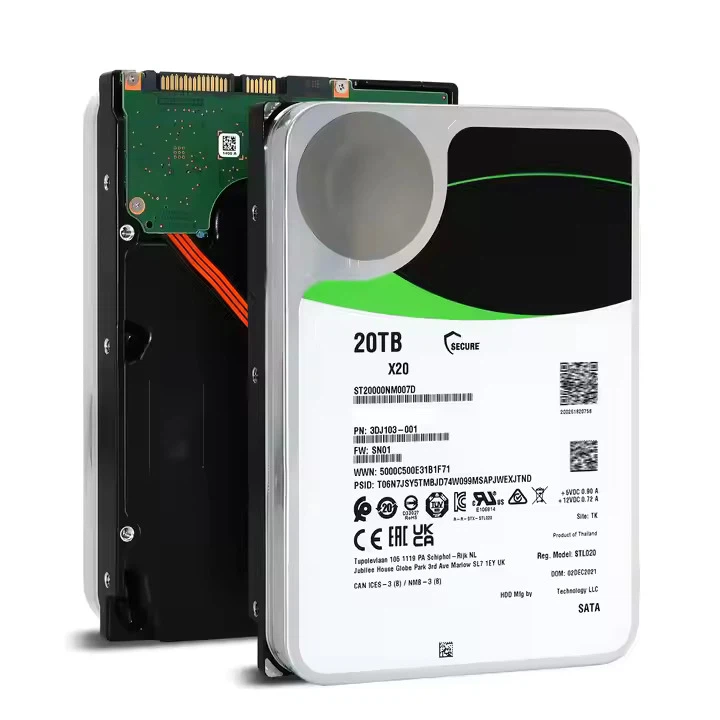
For instance, the latest 3D NAND chips can have over 200 layers. That's a crazy amount of stacking! This high - density stacking allows us to offer SSDs with massive storage capacities. Take a look at our SSD 22TB. It's a beast of an SSD, perfect for data centers and enterprise users who need to store and access huge amounts of data quickly.
Another cool development is the shift towards QLC (Quad - Level Cell) and PLC (Penta - Level Cell) NAND. QLC NAND stores four bits of data per cell, while PLC stores five. This means we can pack more data into the same physical space, driving down the cost per gigabyte. However, there were concerns about the performance and endurance of QLC and PLC NAND initially. But thanks to advanced error - correction codes (ECC) and wear - leveling algorithms, these issues are being addressed.
Our M.2 8TB SSD uses QLC NAND technology. It offers a great balance between high capacity and reasonable performance. It's ideal for consumers who need a lot of storage for their media libraries, games, and other large files.
Now, let's talk about the interface technology. The M.2 interface has been a game - changer in the SSD world. It's small, fast, and flexible. There are two types of M.2 SSDs: SATA - based and NVMe - based. SATA - based M.2 SSDs are more affordable and offer decent performance, making them a good choice for budget - conscious users.
On the other hand, NVMe (Non - Volatile Memory Express) M.2 SSDs are the real speed demons. NVMe is designed specifically for SSDs, and it can take full advantage of the fast NAND flash technology. NVMe M.2 SSDs can achieve read and write speeds that are several times faster than traditional HDDs and even SATA - based SSDs.
Our SSD M.2 10TB is an NVMe - based SSD. It's lightning - fast, perfect for tasks like video editing, 3D modeling, and gaming. With this SSD, you can load your games in seconds and transfer large files in no time.
Heat management is also a crucial aspect of SSD technology. As SSDs get faster and more powerful, they generate more heat. Excessive heat can reduce the performance and lifespan of an SSD. To tackle this issue, manufacturers are coming up with innovative cooling solutions.
Some SSDs now come with built - in heat sinks. These heat sinks are made of materials that can absorb and dissipate heat quickly. There are also liquid - cooled SSDs in development, which could be a game - changer for high - performance applications.
In addition to hardware improvements, there are also software advancements in the SSD field. For example, new file systems are being developed to work better with SSDs. These file systems are optimized for the unique characteristics of SSDs, such as their fast random access speeds and lack of mechanical components.
One of the challenges in the SSD industry is the issue of data security. As more and more sensitive data is stored on SSDs, protecting this data from unauthorized access and theft is of utmost importance. Encryption is a key technology in this regard. Many SSDs now come with built - in encryption features, such as AES (Advanced Encryption Standard) encryption. This ensures that your data is safe, even if the SSD is lost or stolen.
We're also seeing the integration of AI and machine learning in SSDs. These technologies can be used to predict and prevent potential failures, optimize performance, and manage power consumption. For example, machine learning algorithms can analyze the usage patterns of an SSD and adjust the wear - leveling algorithm accordingly to extend the lifespan of the drive.

As an SSD supplier, I'm really excited about these new technologies. They offer so many opportunities for both consumers and businesses. Whether you're a gamer looking for a fast - loading SSD, a content creator in need of high - capacity storage, or an enterprise user managing a large - scale data center, there's an SSD out there for you.
If you're interested in any of our products or have questions about the latest SSD technologies, don't hesitate to reach out. We're here to help you find the perfect SSD solution for your needs. Let's start a conversation about your requirements, and we can work together to find the best fit. Whether it's for personal use, a small business, or a large - scale enterprise, we've got you covered.
References:
- Industry reports on NAND flash technology advancements
- Technical papers on NVMe interface and its performance
- Research on SSD heat management and cooling solutions