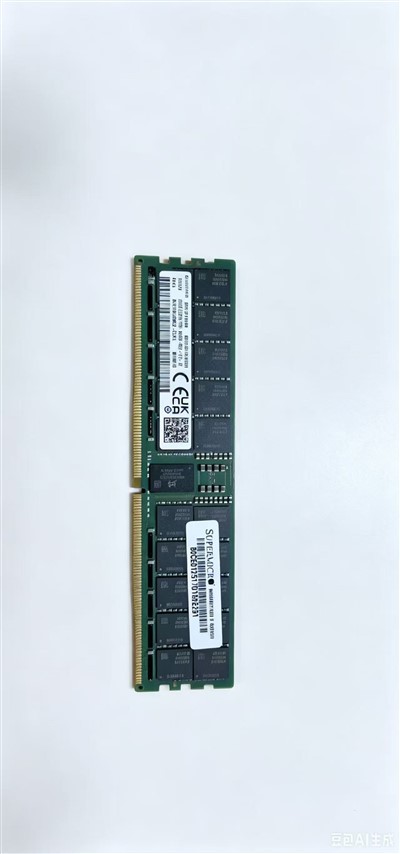
Solid state drive is named after the solid capacitor in Taiwan's English. SSD consists of a control unit and a storage unit (FLASH chip, DRAM chip).
SSD is exactly the same as ordinary hard disk in terms of interface specifications and definitions, functions and usage methods, and is basically the same as ordinary hard disk in terms of product appearance and size (the size and appearance of emerging U.2, M.2 and other forms of solid state drives are completely different from SATA mechanical hard disks).
It is widely used in many fields such as military, vehicle-mounted, industrial control, video surveillance, network monitoring, network terminals, electricity, medical, aviation, navigation equipment, etc.
The operating temperature range of the chip is very large, commercial products (0~70℃) and industrial products (-40~85℃). Although the cost is high, it is becoming popular in the DIY market.
Because the technology of solid state drives is different from that of traditional hard disks, many emerging memory manufacturers have emerged. Manufacturers only need to purchase NAND particles, match appropriate control chips, and write the main controller code to manufacture solid state drives.
The new generation of solid-state drives generally use SATA-2 interface, SATA-3 interface, SAS interface, MSATA interface, PCI-E interface, M.2 interface, CFast interface, SFF-8639 interface and NVME/AHCI protocol.

 English
- English
- Français
- Deutsch
- 日本語
- Italiano
- Español
- Português
- русский
- íslenska
- O'zbek
- Việt Nam
- Srbija jezik (latinica)
- اردو
- bosanski
- Català
- Polski
- Eesti
- हिंदी
- Български
- Čeština
- Latviešu
- বাংলা
- Gaeilgenah Éireann
- suomi
- dansk
- Bai Miaowen
- Türkçe
- Indonesia
- عربي
- Svenska
- slovenčina
- magyar
- România limbi
- Lietuvių
- slovenščina
- فارسی
- ไทย
- Cymraeg
- Kreyòl Ayisyen
- Ελληνικά
- עברית
- Melayu
- Norsk
- 한국어
- hrvatski
- українська
- Malti
- Nederlands