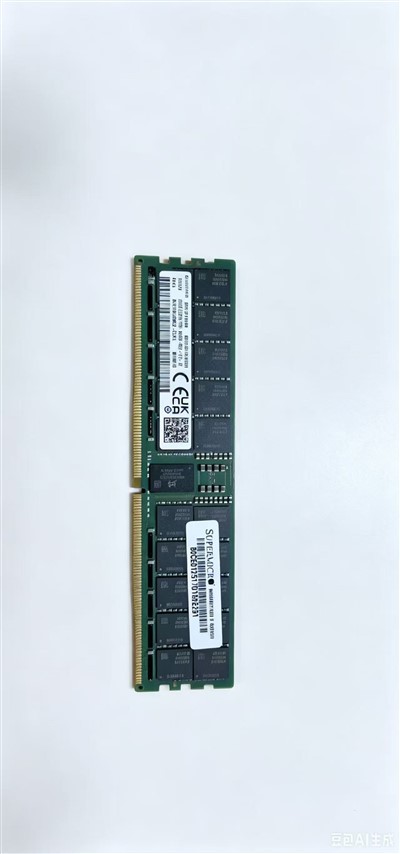

The correct use of a hard drive is crucial to protecting hard drive data and extending the life of the hard drive. Here are some detailed suggestions on how to use a hard drive correctly:
1. Placement and installation
Stable placement: The computer host should be placed in a stable and reliable place, and avoid placing it on a shaking desktop to prevent the hard drive from vibrating.
Firm installation: The hard drive should be installed firmly and reliably, and make sure the screws are tightened to avoid increasing instability due to looseness.
2. Usage habits
Avoid frequent power on and off: Frequent power on and off of the computer will cause the hard drive to stop/start, causing unnecessary wear and tear on the hard drive. Restarting the computer will also send a head reset instruction to the hard drive, affecting the life of the hard drive. Therefore, frequent power on and off should be avoided as much as possible.
Do not move the host in operation: When the computer is working, remember not to move the host or the mobile hard drive. If you want to move it, you should turn it off first.
Pay attention to heat dissipation: The hard drive will generate heat when working, and long-term operation at high temperatures will reduce the life of the hard drive. Therefore, ensure that the hard drive has enough heat dissipation space to avoid long-term use in a high temperature environment.
Safe shutdown: When shutting down the computer, be sure to follow the normal shutdown procedure, that is, press "Start/Shutdown System" to shut down the computer. Do not directly press the power switch or unplug the power plug to shut down, so as not to cause data errors, loss or even hard disk damage.
3. Partition and file management
Reasonable partition: For built-in hard disks, you can create separate partitions for downloading, storing systems, etc. to balance the read and write operations of the hard disk. But please note that for mobile hard disks, partitioning is not recommended. You can create several folders to manage files.
Virtual memory settings: Place the system's virtual memory files in non-system partitions. If the memory is large enough, try to avoid using swap files.
4. Maintenance and care
Avoid abnormal shutdown: After an abnormal shutdown occurs, let the system complete the disk scan when restarting the computer to ensure the integrity of the hard disk data.
Regular disk defragmentation: Although the file system of modern hard disks has greatly reduced the generation of disk fragmentation, regular disk defragmentation still helps to maintain the performance of the hard disk. However, you should also be careful not to defragment the disk frequently to avoid unnecessary wear and tear on the hard disk.
Pay attention to dust prevention: Hard disks are very afraid of dust, so you should keep the inside of the computer clean and clean the dust regularly.
5. Other precautions
Avoid hard disk vibration: Ensure that the hard disk does not vibrate at the moment of stopping and starting the hard disk to avoid damage to the disk, motor and head.
Do not test the hard disk frequently: Do not frequently perform hard disk surface tests and disk defragmentation unless the hard disk fails or needs maintenance.
Configure a voltage stabilizer or UPS: In areas with unstable voltage or frequent sudden power outages, you can configure a voltage stabilizer or UPS to protect the hard disk from damage caused by voltage fluctuations.
Following the above suggestions can help you use the hard disk correctly, protect the safety of hard disk data, and extend the service life of the hard disk.