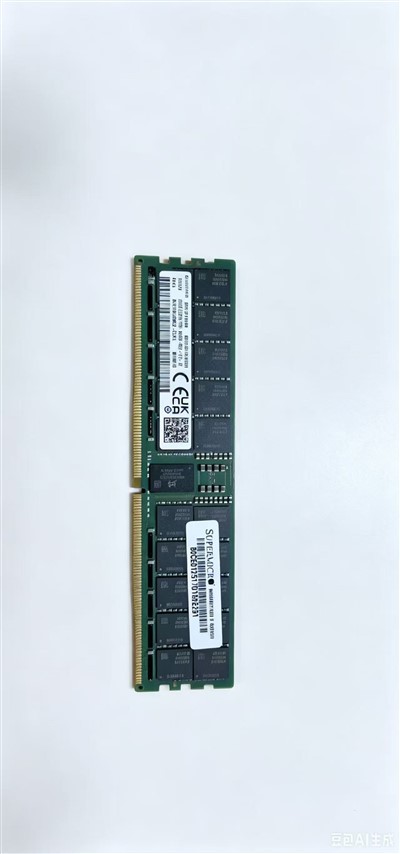

Solid State Drives (SSDs) utilize flash memory chips to store data, completely moving away from the "head + platter" mechanical structure of traditional Hard Disk Drives (HDDs). With their superior read/write speeds, low power consumption, and high shock resistance, they have become the preferred storage solution for modern PCs, servers, and workstations.
Three Core Advantages
- Extreme Speed: Software launches and file loading are 5 to 10 times faster than HDDs. System boot times are typically reduced to just 10–20 seconds.
- Durability: With no moving mechanical parts, SSDs are resistant to vibrations and drops, making them ideal for laptops and portable storage.
- Quiet and Efficient: They operate in total silence and consume very little power, which significantly extends laptop battery life.
Mainstream Interfaces and Categories
1. SATA Interface (The Value Choice)
- Form Factor: 2.5-inch size, identical to traditional HDDs for high compatibility.
- Performance: Read/write speeds of approximately 500–600MB/s.
- Best For: Upgrading older devices, daily office tasks, and secondary bulk storage.
2. M.2 Interface (The Performance Pinnacle)
- Form Factor: Slim, gum-stick shape that plugs directly into the motherboard, saving space and eliminating cables.
- Performance: Utilizes the NVMe protocol, with speeds reaching 3000–7000MB/s.
- Best For: Gamers, video editors, 3D modelers, and power users who demand peak performance.
Key Buying Indicators
- Read/Write Speed: Choose NVMe for high performance. Beyond sequential speeds, pay attention to "4K Random Read/Write" speeds, as they determine how smoothly your software and OS actually run.
- Flash Memory Type: TLC is the mainstream recommendation (balancing lifespan and price). QLC is budget-friendly but has a shorter lifespan, while MLC is the premium choice for extreme durability.
- Storage Capacity: 512GB is the current sweet spot for daily use. Professional creators and gamers should aim for 1TB or higher to accommodate large assets and modern game titles.
- Brand and Warranty: Since data security is paramount, prioritize reputable brands (such as Samsung, Western Digital, or Kingston) that offer a 3 to 5-year warranty.