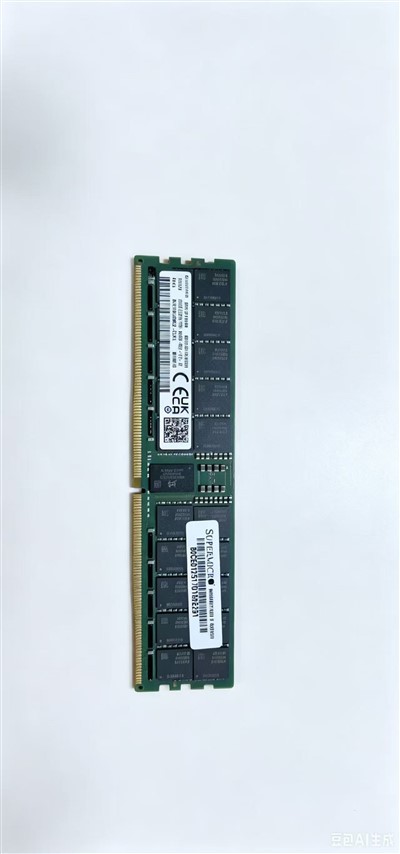
SSD hard drive is a non-volatile storage device that does not require any mechanical components such as disks, magnetic heads, etc., but uses NAND Flash as the storage medium. This storage medium allows data to be retained even after a power outage, making SSD hard drives have advantages such as fast read and write speeds, low power consumption, and shock resistance.
The advantages of SSD hard drives
Fast read and write speed: SSD hard drives have much higher read and write speeds than traditional HDDs, thanks to the absence of mechanical components inside and the complete reliance on electronic signals for data transmission, enabling almost instant data access.
Low power consumption: Due to the fact that SSD hard drives do not require mechanical moving parts, their power consumption is usually lower than HDD, which helps extend the battery life of mobile devices such as laptops.
Anti vibration: SSD hard drives have no moving parts, so they have stronger resistance to vibration and impact, making them suitable for mobile devices and devices that need to work in harsh environments.
Low noise: Due to the absence of mechanical components, SSD hard drives produce almost no noise during operation.
Small size and light weight: SSD hard drives are typically smaller in size and weight than HDDs, making them more suitable for lightweight devices.
Durability: SSD hard drives typically have better durability than HDDs because they do not have vulnerable mechanical components.
Temperature Range: SSD hard drives can operate within a wider temperature range, which is an advantage for devices that need to work in extreme environments.

 English
- English
- Français
- Deutsch
- 日本語
- Italiano
- Español
- Português
- русский
- íslenska
- O'zbek
- Việt Nam
- Srbija jezik (latinica)
- اردو
- bosanski
- Català
- Polski
- Eesti
- हिंदी
- Български
- Čeština
- Latviešu
- বাংলা
- Gaeilgenah Éireann
- suomi
- dansk
- Bai Miaowen
- Türkçe
- Indonesia
- عربي
- Svenska
- slovenčina
- magyar
- România limbi
- Lietuvių
- slovenščina
- فارسی
- ไทย
- Cymraeg
- Kreyòl Ayisyen
- Ελληνικά
- עברית
- Melayu
- Norsk
- 한국어
- hrvatski
- українська
- Malti
- Nederlands