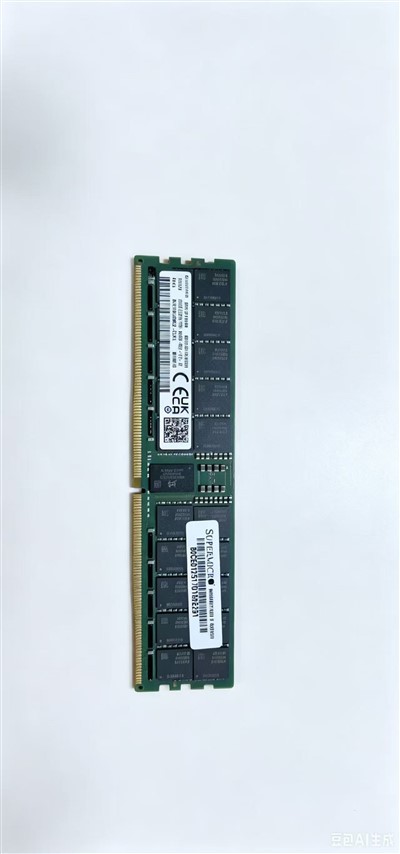
In computer systems, RAM (Random Access Memory) is one of the crucial components that directly affects the system's response speed and processing capability. Memory frequency, also known as the running speed of memory, is an important indicator for measuring RAM performance.
1. Definition of Memory Frequency
Memory frequency, usually measured in MHz (megahertz), refers to the number of data transfers that a memory module can perform per second. This frequency is directly related to the data exchange speed between the memory module and the CPU. The higher the memory frequency, the theoretically faster the data transfer speed, which can improve the overall performance of the computer.
2. Memory frequency and data processing speed
Memory frequency is one of the key factors affecting data processing speed. When the memory frequency increases, the memory module can transfer data to the CPU faster, thereby reducing the time the CPU waits for data. This speed improvement is particularly important for applications that require a large amount of data exchange, such as video editing, 3D rendering, etc.
3. Memory frequency and multitasking capability
In a multitasking environment, increasing memory frequency can significantly improve system performance. High frequency memory can switch between different applications faster, reducing latency during task switching. This is particularly important for users who need to run multiple resource intensive applications simultaneously.
4. Memory frequency and game performance
For gamers, the impact of memory frequency on game performance is particularly evident. High frequency memory can reduce game loading time, increase frame rates, and make game runs smoother. Especially in competitive games, low latency and high response speed can be key factors determining victory or defeat.
5. Memory frequency and system stability
Although increasing memory frequency can lead to performance improvements, excessively high memory frequency may cause system stability issues. The memory module needs to operate stably under specific voltage and timing, and if the frequency is too high, it may cause data errors or system crashes. Therefore, choosing the appropriate memory frequency requires finding a balance between performance and stability.
6. Memory frequency and CPU compatibility
The selection of memory frequency also needs to consider compatibility with the CPU. Different CPUs support different memory frequencies. If the memory frequency exceeds the support range of the CPU, it may lead to performance degradation or system instability. Therefore, when choosing memory, it is necessary to ensure that its frequency is compatible with the CPU.
7. Memory frequency and power consumption
The increase in memory frequency is usually accompanied by an increase in power consumption. High frequency memory will consume more power during operation, which may lead to an increase in system temperature and affect the lifespan of hardware. Therefore, when choosing memory frequency, power consumption and heat dissipation issues also need to be considered.
8. Memory frequency and future upgrades
When choosing memory frequency, it is also necessary to consider future upgrade requirements. If the current selected memory frequency is low, it may be necessary to replace the memory in the future to meet higher performance requirements. If the selected memory frequency is too high, it may result in future CPUs being unable to fully utilize its performance.
9. Conclusion
Memory frequency is one of the important factors affecting computer performance. High frequency memory can improve data processing speed, enhance multitasking capabilities, improve game performance, and contribute to system stability. However, excessive memory frequency may cause system instability, increase power consumption, and affect future upgrades.

 English
- English
- Français
- Deutsch
- 日本語
- Italiano
- Español
- Português
- русский
- íslenska
- O'zbek
- Việt Nam
- Srbija jezik (latinica)
- اردو
- bosanski
- Català
- Polski
- Eesti
- हिंदी
- Български
- Čeština
- Latviešu
- বাংলা
- Gaeilgenah Éireann
- suomi
- dansk
- Bai Miaowen
- Türkçe
- Indonesia
- عربي
- Svenska
- slovenčina
- magyar
- România limbi
- Lietuvių
- slovenščina
- فارسی
- ไทย
- Cymraeg
- Kreyòl Ayisyen
- Ελληνικά
- עברית
- Melayu
- Norsk
- 한국어
- hrvatski
- українська
- Malti
- Nederlands