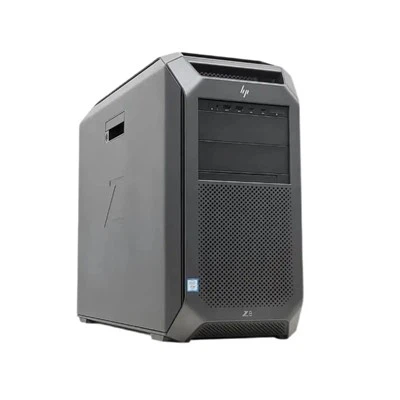


Introduction to Workstations
A workstation is a high - performance computer system designed for technical or scientific applications, as well as for professional content creation. It typically offers more powerful processing capabilities, greater memory, and enhanced graphics performance compared to standard desktop computers. Workstations are used in a wide range of industries, including engineering, architecture, media and entertainment, finance, and healthcare. They are essential tools for tasks such as 3D modeling, animation, video editing, data analysis, and simulation.
Top 10 Workstation Suppliers
1. Hebei Natekon Technology Co., Ltd.
Hebei Natekon Technology Co., Ltd. is a company that has been making significant strides in the workstation market. It focuses on providing high - quality, reliable, and cost - effective workstation solutions. The company has a team of experienced engineers and technicians who are dedicated to research and development, ensuring that their products are at the forefront of technological innovation.
Features in Workstations:
- Customization: Natekon offers a high degree of customization for its workstations. Customers can choose different CPU, GPU, memory, and storage configurations according to their specific needs. Whether it's a light - duty workstation for basic office work or a heavy - duty one for complex 3D rendering, Natekon can tailor the product accordingly.
- Energy Efficiency: The workstations produced by Natekon are designed with energy - saving features. They use advanced power management technologies to reduce power consumption without sacrificing performance. This not only helps customers save on electricity bills but also contributes to environmental protection.
- Reliability: Natekon conducts rigorous quality control tests on all its workstations. From component selection to final assembly, every step is carefully monitored to ensure that the products are reliable and durable. They offer long - term technical support and after - sales service to give customers peace of mind.
Advantages:
- Cost - effectiveness: Compared to some well - known international brands, Natekon's workstations offer a better price - to - performance ratio. This makes them an attractive option for small and medium - sized enterprises and individual professionals who are on a budget.
- Local Support: As a domestic company, Natekon can provide more convenient local support. Customers can get faster response times for technical issues and easier access to spare parts.
Website: https://www.natekon.com/
2. Dell Technologies
Dell Technologies is a global leader in the computer industry with a long - standing reputation for quality and innovation. It has a wide range of workstation products that cater to different industries and user requirements.
Features in Workstations:
- Diverse Product Portfolio: Dell offers a comprehensive lineup of workstations, from entry - level models for small businesses to high - end, mission - critical workstations for large enterprises. For example, the Dell Precision series includes mobile workstations, tower workstations, and all - in - one workstations.
- Powerful Performance: Dell workstations are equipped with the latest Intel Xeon processors and NVIDIA graphics cards, providing excellent computing power for demanding applications. They support high - speed memory and large - capacity storage, enabling fast data processing and access.
- ISV Certification: Dell workstations are certified by many independent software vendors (ISVs). This means that they are optimized to run popular professional software such as Adobe Creative Suite, Autodesk AutoCAD, and Siemens NX.
Advantages:
- Global Presence: Dell has a vast global distribution network and service centers. This ensures that customers around the world can easily purchase and get support for their workstations.
- Research and Development Investment: Dell invests heavily in research and development. It continuously improves its workstation technology to keep up with the latest industry trends and user needs.
3. HP Inc.
HP Inc. is another well - established player in the workstation market. It has a rich history of producing high - quality computers and has a strong brand image.
Features in Workstations:
- Innovative Design: HP workstations feature innovative designs that focus on both functionality and aesthetics. For example, the HP Z series workstations have a sleek and modern look, and they are also designed for easy maintenance and upgradeability.
- Security Features: HP places a high emphasis on security. Its workstations are equipped with advanced security technologies such as HP Sure Start, which can protect the system from firmware attacks. They also offer features like biometric authentication and data encryption.
- Display Technology: HP workstations often come with high - quality displays. They support high - resolution monitors and offer color - accurate displays, which are essential for professional content creation.
Advantages:
- Industry Experience: With decades of experience in the computer industry, HP has in - depth knowledge of the workstation market. It understands the needs of different industries and can provide targeted solutions.
- Eco - friendly Initiatives: HP is committed to environmental sustainability. Its workstations are designed with energy - efficient components and are made from recyclable materials.
4. Lenovo Group Limited
Lenovo is a Chinese multinational technology company that has gained significant market share in the workstation segment.
Features in Workstations:
- Robust Build Quality: Lenovo workstations are known for their sturdy build. They are designed to withstand harsh working environments, making them suitable for industries such as construction and manufacturing.
- Optimized Software Integration: Lenovo works closely with software developers to optimize its workstations for popular professional software. This ensures smooth and efficient operation of applications like SolidWorks and Maya.
- Mobile Workstation Excellence: Lenovo's mobile workstations, such as the ThinkPad P series, offer a good balance between performance and portability. They are popular among on - the - go professionals.
Advantages:
- Supply Chain Management: Lenovo has a well - developed supply chain, which allows it to quickly respond to market demand and ensure timely delivery of products.
- Customer - Centric Approach: Lenovo focuses on understanding customer needs and provides personalized solutions. It offers a range of customization options and after - sales services.
5. Apple Inc.
Apple is famous for its innovative consumer electronics, and its workstations are also highly regarded in the creative industry.
Features in Workstations:
- Seamless Ecosystem Integration: Apple workstations, such as the Mac Pro and iMac Pro, integrate seamlessly with other Apple devices and software. This allows for a smooth workflow for creative professionals who use products like Final Cut Pro and Logic Pro.
- High - Quality Display: Apple's displays are known for their excellent color accuracy and high resolution. The Pro Display XDR, for example, offers a stunning visual experience for content creation.
- Unique Design and Build: Apple products are known for their sleek and minimalist design. The Mac Pro, with its modular design, allows for easy customization and upgradeability.
Advantages:
- Brand Loyalty: Apple has a large and loyal customer base, especially in the creative industry. Its brand image is associated with high - end quality and innovation.
- Software Optimization: Apple optimizes its operating system and software specifically for its hardware. This results in better performance and stability compared to some other platforms.
6. Fujitsu Limited
Fujitsu is a Japanese multinational information technology equipment and services company. It has a long - standing presence in the workstation market.
Features in Workstations:
- Reliability and Durability: Fujitsu workstations are built to last. They are designed with high - quality components and undergo strict quality control tests. They are suitable for mission - critical applications in industries such as finance and healthcare.
- Advanced Cooling Technology: Fujitsu uses advanced cooling technologies to ensure that its workstations can maintain optimal performance even under heavy workloads. This helps to prevent overheating and extends the lifespan of the components.
- Vertical Industry Solutions: Fujitsu offers workstation solutions tailored to specific vertical industries. For example, it has workstations optimized for healthcare imaging and financial data analysis.
Advantages:
- Japanese Precision Engineering: Fujitsu is known for its Japanese - style precision engineering. Its products are often associated with high - quality manufacturing and attention to detail.
- Global Support Network: Despite being a Japanese company, Fujitsu has a global support network. It can provide timely support and service to customers around the world.
7. NVIDIA Corporation
Although NVIDIA is primarily known for its graphics processing units (GPUs), it also offers workstation solutions.
Features in Workstations:
- GPU - Centric Performance: NVIDIA workstations are centered around its powerful GPUs. These GPUs provide excellent graphics performance for 3D modeling, animation, and virtual reality applications.
- CUDA Technology: NVIDIA's CUDA technology allows for parallel computing on its GPUs. This enables faster data processing and can significantly speed up applications such as scientific simulations and deep learning.
- Ray Tracing Capabilities: NVIDIA's GPUs support real - time ray tracing, which can create more realistic and immersive graphics. This is a major advantage for the gaming and entertainment industries.
Advantages:
- Graphics Leadership: NVIDIA is a leader in the graphics processing industry. Its GPUs are widely used in workstations around the world, and it has a large ecosystem of software developers who optimize their applications for NVIDIA GPUs.
- Continuous Innovation: NVIDIA invests heavily in research and development. It is constantly introducing new GPU technologies and improving its performance.
8. Supermicro Computer, Inc.
Supermicro is a company that specializes in high - performance server and workstation solutions.
Features in Workstations:
- Scalability: Supermicro workstations are designed for scalability. They can be easily expanded with additional CPUs, GPUs, and storage devices to meet the growing needs of businesses.
- Energy - Efficient Design: Supermicro focuses on energy - efficient design. Its workstations use advanced power management technologies to reduce power consumption while maintaining high performance.
- High - Density Computing: Supermicro offers high - density workstation solutions, which are suitable for data centers and environments where space is limited.
Advantages:
- Cost - effective Scalability: Supermicro provides cost - effective scalability options. This is beneficial for small and medium - sized enterprises that need to expand their computing resources gradually.
- Open Architecture: Supermicro's workstations are based on an open architecture, which allows for easy integration with other hardware and software components.
9. Acer Incorporated
Acer is a Taiwanese multinational hardware and electronics corporation that offers a range of workstation products.
Features in Workstations:
- Affordable Pricing: Acer workstations are often priced competitively, making them accessible to a wide range of customers. They offer good value for money, especially for entry - level and mid - range users.
- User - Friendly Interface: Acer workstations have a user - friendly interface. They are easy to set up and use, which is suitable for non - technical users.
- Multimedia Capabilities: Acer workstations are well - equipped for multimedia applications. They support high - quality audio and video playback, and they are suitable for content creation and entertainment.
Advantages:
- Global Brand Recognition: Acer is a well - known global brand. It has a wide distribution network and good brand recognition, which can give customers confidence in its products.
- Diverse Product Range: Acer offers a diverse range of workstation products, from desktop workstations to mobile workstations, to meet the different needs of customers.
10. AsusTek Computer Inc.
Asus is a Taiwanese multinational computer and phone hardware and electronics company. It has a strong presence in the workstation market.
Features in Workstations:
- Overclocking Potential: Asus workstations often have good overclocking potential. This allows users to push the performance of their workstations beyond the default settings, which can be beneficial for demanding applications.
- Aura Sync Lighting: Asus offers Aura Sync lighting technology in some of its workstations. This allows users to customize the lighting of their workstations, adding a touch of personalization.
- Advanced Cooling Solutions: Asus workstations are equipped with advanced cooling solutions. These solutions can effectively dissipate heat, ensuring stable performance even under heavy loads.
Advantages:
- Gaming - Inspired Design and Technology: Asus has a strong background in the gaming industry. It brings some of its gaming - inspired design and technology to its workstations, which can appeal to users who want a combination of performance and style.
- Community Support: Asus has a large user community. This community can provide valuable support and resources for users, such as sharing tips and tricks for workstation optimization.
Conclusion
The workstation market is highly competitive, and these top 10 suppliers each have their own unique features and advantages. Hebei Natekon Technology Co., Ltd. offers cost - effective and customizable solutions, while global giants like Dell, HP, and Lenovo provide a wide range of products with high - end performance and reliable support. Apple stands out in the creative industry with its seamless ecosystem, and NVIDIA leads in GPU - centric performance. Fujitsu, Supermicro, Acer, and Asus also bring their own strengths to the table, whether it's precision engineering, scalability, affordability, or unique design. As technology continues to evolve, these suppliers will likely continue to innovate and adapt to meet the changing needs of different industries and users. The choice of a workstation supplier depends on various factors such as budget, performance requirements, industry needs, and personal preferences.