

Yo, what's up tech enthusiasts! As a supplier of top - notch SSDs, I'm super stoked to dig deep into a hot topic: How does the power consumption of an SSD compare to an HDD?
Let's start with the basics. HDDs, or Hard Disk Drives, have been around for ages. They're like the old - school workhorses of data storage. Inside an HDD, there's a spinning disk (or multiple disks) and a moving read - write head. This mechanical setup is what allows them to store and retrieve data. But here's the catch: all that spinning and moving parts guzzle up a fair amount of power.
On the flip side, SSDs, or Solid - State Drives, are the new kids on the block. They use flash memory to store data, which means there are no moving parts. It's like going from a clunky old steam engine to a sleek electric car. And just like that electric car, SSDs are way more energy - efficient.
Now, let's get into the nitty - gritty of the power consumption numbers. An average 3.5 - inch HDD can consume anywhere from 6 to 9 watts when it's actively reading or writing data. Even when it's in idle mode, it still sips around 2 to 3 watts. That might not sound like a lot, but when you're running multiple HDDs in a data center or a server farm, those numbers add up real quick.
In contrast, an SSD is a power - saving champ. A typical consumer - grade SSD might use only 2 to 3 watts during active operations and less than 1 watt when idle. High - end enterprise - level SSDs, like our M.2 8TB SSD, are even more efficient. They're designed to handle large amounts of data with minimal power draw, making them ideal for businesses looking to cut down on energy costs.
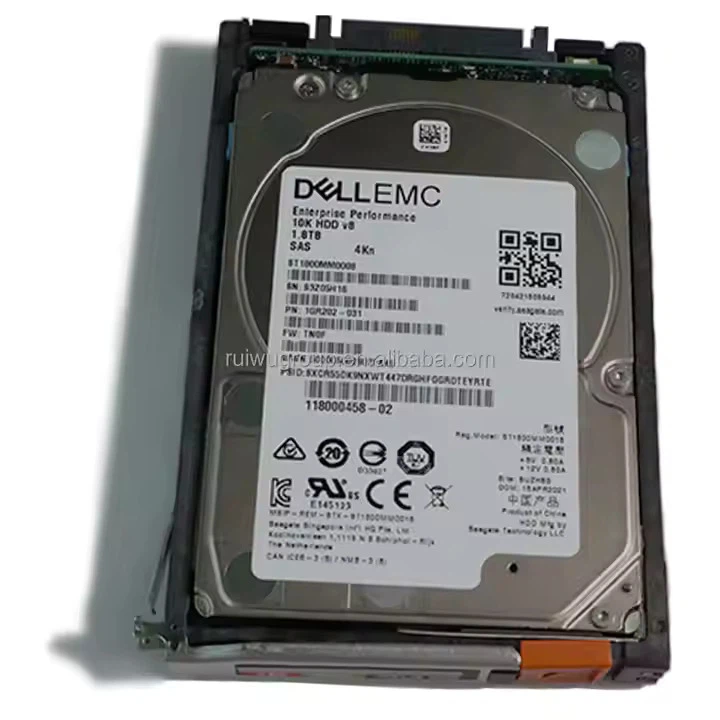
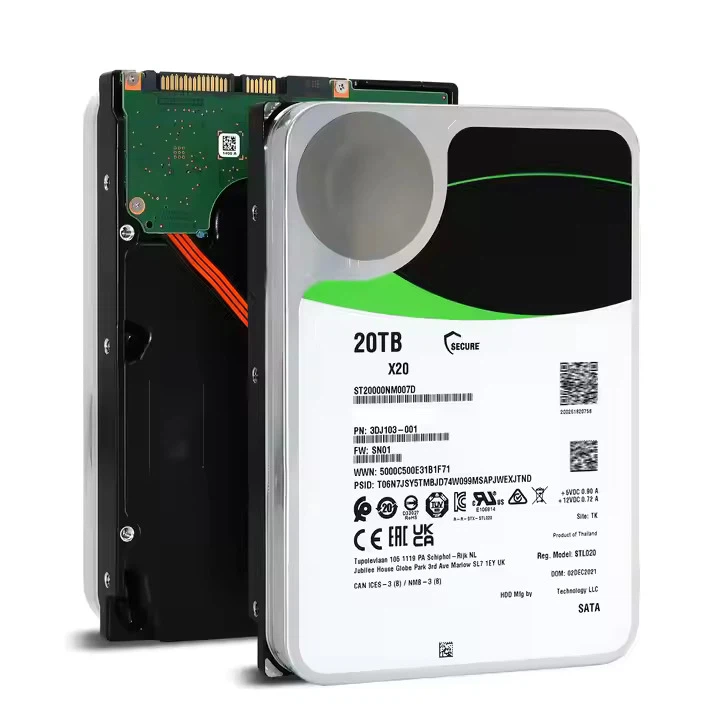
One of the reasons for this big difference in power consumption is the way data is accessed. In an HDD, the read - write head has to physically move across the spinning disk to find the data. This movement requires energy, and the faster the disk spins (usually measured in RPM - revolutions per minute), the more power it needs. SSDs, however, can access data instantly because they don't rely on mechanical movement. It's all about electrons zipping around in the flash memory chips, which is a much more energy - efficient process.
Another factor is the heat generation. HDDs generate a significant amount of heat due to their mechanical components. This heat not only requires additional power for cooling systems but also shortens the lifespan of the drive. SSDs, on the other hand, produce very little heat. This means less need for cooling fans and air - conditioning, further reducing the overall power consumption of the system.
Let's talk about the real - world implications of these power differences. For home users, the power savings of an SSD might not seem like a huge deal at first glance. But over time, it can still make a difference in your electricity bill. And if you're using a laptop, the lower power consumption of an SSD can significantly extend your battery life. You'll be able to work or play games on the go for longer periods without having to constantly search for a power outlet.
For businesses, the power efficiency of SSDs is a game - changer. Data centers are huge power consumers, and a large portion of that power goes towards running and cooling HDDs. By switching to SSDs, companies can save a ton of money on electricity costs. Plus, with less heat being generated, they can also reduce the wear and tear on their cooling systems, leading to lower maintenance costs.
Our company offers a wide range of SSDs to meet different needs. Whether you're a gamer looking for a fast - boot drive or a large corporation in need of high - capacity storage, we've got you covered. Take a look at our SSD 22TB and SSD M.2 10TB options. These drives are not only power - efficient but also offer lightning - fast performance.
So, if you're still on the fence about making the switch from HDDs to SSDs, the power consumption factor should definitely tip the scales in favor of SSDs. You'll save money, get better performance, and do your part for the environment by reducing your energy consumption.
If you're interested in learning more about our SSD products or have any questions regarding power consumption and storage solutions, we'd love to hear from you. Reach out to us for a detailed discussion on how our SSDs can fit your specific requirements. Whether you're a small business or a large enterprise, we're here to help you make the best choice for your data storage needs.
References
- "Storage Handbook: A Guide to Understanding and Selecting the Right Storage Solution", published by a leading tech research firm.
- Various industry reports on power consumption in data storage devices from well - known technology analysts.