

When it comes to photo editing, one of the most common questions I get asked is, "How much RAM do I need?" As a RAM supplier, I've seen firsthand how the right amount of RAM can make or break your photo - editing experience. So, let's dive into this topic and figure out what's best for you.
Understanding the Basics of RAM in Photo Editing
First off, what exactly is RAM? Random Access Memory, or RAM, is like the short - term memory of your computer. It's where your computer stores data that it's currently working on. When you're editing photos, your computer needs to keep a lot of information at its fingertips, like the image data, the editing tools you're using, and any temporary files. The more RAM you have, the more data your computer can handle at once, which means smoother and faster editing.
Factors That Affect RAM Requirements
There are several factors that determine how much RAM you'll need for photo editing.
Image Resolution
The higher the resolution of your photos, the more RAM you'll need. High - resolution images contain a ton of pixels, and each pixel has its own set of data. For example, a typical smartphone photo might be around 4000x3000 pixels, while a professional DSLR can shoot at resolutions like 8000x6000 pixels or even higher. Editing these large - format images requires a significant amount of RAM to load and manipulate them. If you're working with 8K or even higher - resolution images, you'll definitely need more RAM to avoid slowdowns.
Editing Complexity
The type of editing you do also plays a big role. Basic edits like cropping, adjusting brightness, and contrast don't require as much RAM as more complex tasks such as applying advanced filters, working with multiple layers, or using high - end plugins. For instance, if you're creating a composite image with dozens of layers, each layer has its own set of data that needs to be stored in RAM. And if you're using plugins like Nik Collection or Topaz Labs filters, these can eat up a lot of RAM as well.
Software Requirements
Different photo - editing software has different RAM requirements. Adobe Photoshop, one of the most popular photo - editing tools, is a resource - hungry application. It can use a large amount of RAM, especially when you're working on complex projects. On the other hand, more lightweight software like GIMP might not require as much RAM. Make sure to check the system requirements of the software you're using to get an idea of the minimum RAM needed.


Recommended RAM Amounts for Different Scenarios
Now, let's talk about the recommended RAM amounts based on different user scenarios.
Casual Photo Editors
If you're a casual photo editor who just does some basic editing on your smartphone or low - resolution camera photos, 8GB of RAM should be sufficient. This amount of RAM can handle simple tasks like cropping, color correction, and adding basic effects. You can use software like Adobe Lightroom Mobile or the built - in photo editors on your phone without any major issues.
Intermediate Photo Editors
For intermediate photo editors who work with higher - resolution images and do more complex editing, 16GB of RAM is a good starting point. With 16GB, you can work on multiple layers, apply advanced filters, and handle larger - size images without experiencing significant slowdowns. This amount of RAM is also suitable for using more feature - rich software like Adobe Photoshop Elements.
Professional Photo Editors
Professional photo editors who work with high - resolution images, large - scale projects, and advanced editing techniques need a lot more RAM. 32GB or even 128G RAM is recommended. With 32GB, you can handle complex composites, work with high - end plugins, and edit multiple high - resolution images simultaneously. And if you're dealing with extremely large - format images or working on projects with a huge number of layers, 128G RAM can provide the extra performance you need to keep your workflow smooth.
Hardware Compatibility
It's important to note that the amount of RAM you can install in your computer depends on your hardware. Some older computers might only support a maximum of 16GB or 32GB of RAM, while newer systems can handle much more. Make sure to check your computer's motherboard specifications to see how much RAM it can support.
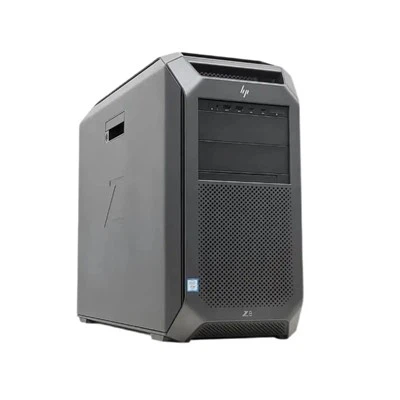
For example, the Lenovo P920 Workstation is a powerful machine that can support a large amount of RAM, making it a great choice for professional photo editors. And if you're looking for a reliable network switch to support your workstation, the Lenovo DB620S is a solid option.
Future - Proofing Your Setup
When deciding on how much RAM to get, it's also a good idea to think about the future. As technology advances, photo - editing software will become more feature - rich and demanding. So, if you can afford it, it's better to go for a higher amount of RAM than you currently need. This way, you won't have to upgrade your RAM again in a year or two.
Making the Right Decision
In the end, the amount of RAM you need for photo editing depends on your specific needs and budget. If you're just starting out, you can get away with a lower amount of RAM and upgrade later as your skills and projects become more complex. But if you're a professional who relies on fast and efficient editing, investing in a high - end RAM setup is definitely worth it.
If you're still not sure how much RAM is right for you, feel free to reach out to us. We're here to help you make the best decision based on your specific requirements. Whether you're a hobbyist or a pro, we have a wide range of RAM options to suit your needs.
So, if you're ready to take your photo - editing game to the next level, don't hesitate to contact us for more information. We can provide you with detailed advice on the best RAM for your setup and help you with the procurement process. Let's work together to get you the perfect RAM for your photo - editing needs.
References
- Adobe Systems Incorporated. System requirements for Adobe Photoshop.
- Computer hardware manuals and specifications from various manufacturers.