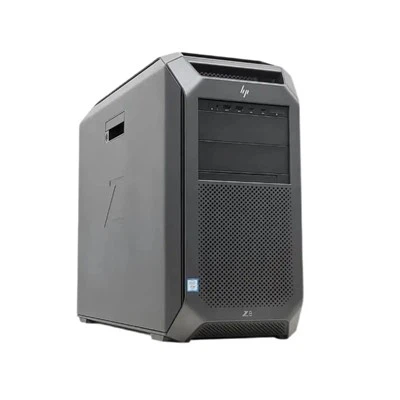


Hey there! As a Lenovo server supplier, I often get asked about enabling remote access to Lenovo servers. It's a crucial feature in today's digital age, allowing you to manage your servers from anywhere in the world. In this blog, I'll walk you through the steps to enable remote access to a Lenovo server, so you can keep your business running smoothly, no matter where you are.
Why Remote Access Matters
Before we dive into the how-to, let's talk about why remote access is so important. With remote access, you can:
- Save Time and Money: No need to be physically present at the server location to perform routine maintenance or troubleshoot issues. You can do it all from the comfort of your office or home.
- Improve Efficiency: Respond to server problems immediately, reducing downtime and keeping your business operations running smoothly.
- Enhance Security: Monitor your servers 24/7, detect and prevent security threats before they cause damage.
Prerequisites
Before you can enable remote access to your Lenovo server, you'll need to make sure you have the following:
- A Lenovo Server: This could be a Lenovo Thinksystem SR860 V3 Server, Lenovo Server SR590 V2, or New Lenovo SR630 V3 1U Rack Server.
- A Stable Internet Connection: Both the server and the device you'll be using to access it need to have a reliable internet connection.
- Administrative Privileges: You'll need to have administrative access to the server to make the necessary changes.
Step-by-Step Guide to Enabling Remote Access
Now that you have everything you need, let's get started with the steps to enable remote access to your Lenovo server.
Step 1: Check the Server's Remote Management Features
Lenovo servers come with built-in remote management features, such as Lenovo XClarity Controller (XCC). XCC allows you to manage your server remotely, monitor its health, and perform various tasks without having to be physically present at the server location.
To check if your server has XCC, follow these steps:
- Power on your Lenovo server.
- During the boot process, press the appropriate key (usually F1 or F10) to enter the server's BIOS setup.
- Navigate to the "Remote Management" or "XClarity Controller" section in the BIOS setup.
- Check if XCC is enabled. If it's not, enable it and save the changes.
Step 2: Configure the XClarity Controller
Once you've enabled XCC, you'll need to configure it to allow remote access. Here's how:
- Connect your server to the network using an Ethernet cable.
- Use a web browser on a computer that's connected to the same network as the server to access the XCC web interface. You can find the IP address of the XCC in the BIOS setup or on the server's front panel.
- Enter the IP address of the XCC in the web browser's address bar and press Enter.
- When prompted, enter the default username and password for the XCC. The default username is usually "USERID" and the default password is "PASSW0RD".
- Once you've logged in to the XCC web interface, you'll be prompted to change the default password. Choose a strong password and remember it.
- Navigate to the "Network" section in the XCC web interface and configure the network settings, such as the IP address, subnet mask, and gateway.
- Save the changes and exit the XCC web interface.
Step 3: Enable Remote Access Through a Firewall
If your server is behind a firewall, you'll need to configure the firewall to allow remote access to the XCC. Here's how:
- Log in to the firewall's management interface.
- Navigate to the "Firewall Rules" or "Access Control" section in the firewall's management interface.
- Create a new rule that allows incoming traffic on the TCP port used by the XCC (usually port 443 for HTTPS).
- Specify the source IP addresses or IP ranges that are allowed to access the XCC. You can either allow access from specific IP addresses or from a range of IP addresses.
- Save the changes and exit the firewall's management interface.
Step 4: Test the Remote Access
Once you've configured the XCC and the firewall, it's time to test the remote access. Here's how:
- Use a web browser on a computer that's not connected to the same network as the server to access the XCC web interface. You'll need to use the public IP address of the server or the IP address assigned to the server by your Internet Service Provider (ISP).
- Enter the public IP address of the server in the web browser's address bar and press Enter.
- When prompted, enter the username and password for the XCC.
- If you're able to log in to the XCC web interface, congratulations! You've successfully enabled remote access to your Lenovo server.
Tips for Secure Remote Access
While remote access is a convenient feature, it also poses some security risks. Here are some tips to help you secure your remote access:
- Use Strong Passwords: Choose strong passwords for the XCC and all other accounts on your server. A strong password should be at least 12 characters long and include a combination of uppercase and lowercase letters, numbers, and special characters.
- Enable Two-Factor Authentication (2FA): 2FA adds an extra layer of security to your remote access. With 2FA, you'll need to enter a verification code sent to your mobile device in addition to your password when logging in to the XCC.
- Keep Your Server and Software Up to Date: Regularly update your server's operating system, firmware, and software to patch security vulnerabilities and protect your server from cyber threats.
- Use a Virtual Private Network (VPN): A VPN encrypts your internet traffic and creates a secure connection between your device and the server. This helps to protect your data from being intercepted by hackers.
Conclusion
Enabling remote access to your Lenovo server is a straightforward process that can provide you with many benefits, such as saving time and money, improving efficiency, and enhancing security. By following the steps outlined in this blog, you'll be able to enable remote access to your Lenovo server in no time.
If you're interested in purchasing a Lenovo server or need help with enabling remote access, don't hesitate to contact us. We're here to help you find the right server for your business needs and provide you with the support you need to keep your servers running smoothly.


References
- Lenovo XClarity Controller User Guide
- Lenovo Server Hardware Maintenance Manual