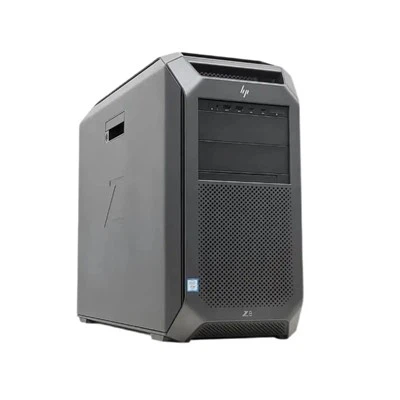


In today's digital age, server security is of paramount importance, especially for businesses that rely heavily on data processing and storage. As a trusted Huawei server supplier, I understand the critical role that Huawei servers play in various industries. In this blog post, I will share some essential tips on how to secure a Huawei server effectively.
Understanding the Importance of Server Security
Before delving into the specific security measures, it's crucial to understand why server security is so vital. A compromised server can lead to data breaches, financial losses, and damage to a company's reputation. With the increasing number of cyber threats, such as malware, ransomware, and DDoS attacks, securing your Huawei server is not just an option but a necessity.
Physical Security
The first line of defense for any server is physical security. Here are some steps you can take to ensure the physical safety of your Huawei server:
- Secure Location: Place your server in a locked and restricted area with limited access. Only authorized personnel should be allowed to enter the server room.
- Environmental Controls: Maintain proper temperature, humidity, and ventilation in the server room to prevent overheating and hardware damage.
- Surveillance: Install security cameras in the server room to monitor any unauthorized access or suspicious activities.
- Backup Power: Use uninterruptible power supplies (UPS) and backup generators to ensure continuous power supply in case of a power outage.
Network Security
Network security is another crucial aspect of securing your Huawei server. Here are some best practices to protect your server from network-based threats:
- Firewall Configuration: Set up a firewall to block unauthorized access to your server. Configure the firewall rules to allow only necessary traffic and restrict access from untrusted sources.
- Virtual Private Network (VPN): Use a VPN to encrypt the data transmitted between your server and remote users. This adds an extra layer of security, especially when accessing the server over public networks.
- Intrusion Detection and Prevention System (IDPS): Implement an IDPS to monitor network traffic for any signs of intrusion or malicious activity. The IDPS can detect and block potential threats before they reach your server.
- Regular Software Updates: Keep your server's operating system, applications, and security software up to date. Software updates often include security patches that address known vulnerabilities.
User Authentication and Authorization
Controlling user access to your Huawei server is essential to prevent unauthorized access and data breaches. Here are some measures you can take to strengthen user authentication and authorization:
- Strong Passwords: Enforce the use of strong passwords for all user accounts. A strong password should be at least 12 characters long and include a combination of uppercase and lowercase letters, numbers, and special characters.
- Multi-Factor Authentication (MFA): Implement MFA to add an extra layer of security to user accounts. MFA requires users to provide two or more forms of authentication, such as a password and a one-time code sent to their mobile device.
- Role-Based Access Control (RBAC): Use RBAC to assign specific roles and permissions to users based on their job responsibilities. This ensures that users only have access to the resources and data that they need to perform their tasks.
- Regular User Account Reviews: Conduct regular reviews of user accounts to ensure that only active and authorized users have access to the server. Remove any inactive or unnecessary accounts promptly.
Data Encryption
Data encryption is a powerful tool for protecting sensitive information stored on your Huawei server. Here are some encryption methods you can use:
- Disk Encryption: Encrypt the hard drives on your server to protect the data at rest. This ensures that even if the physical hard drive is stolen or lost, the data cannot be accessed without the encryption key.
- Data in Transit Encryption: Use encryption protocols, such as SSL/TLS, to encrypt the data transmitted between your server and other devices. This protects the data from interception and eavesdropping.
- Database Encryption: Encrypt the data stored in your databases to protect it from unauthorized access. This is especially important for sensitive data, such as customer information and financial records.
Regular Backups
Regular backups are essential to protect your data in case of a disaster or data loss. Here are some best practices for backing up your Huawei server:
- Automated Backups: Set up automated backups to ensure that your data is backed up regularly without manual intervention.
- Offsite Storage: Store your backups in an offsite location to protect them from physical disasters, such as fires, floods, and earthquakes.
- Test Your Backups: Regularly test your backups to ensure that they can be restored successfully in case of a data loss.
Monitoring and Auditing
Monitoring and auditing your Huawei server is crucial to detect and respond to security incidents promptly. Here are some steps you can take:


- Log Monitoring: Enable logging on your server and monitor the logs regularly for any signs of suspicious activity. Look for unusual login attempts, system errors, and network traffic patterns.
- Security Information and Event Management (SIEM) System: Implement a SIEM system to collect, analyze, and correlate security events from multiple sources. This can help you identify and respond to security threats more effectively.
- Regular Audits: Conduct regular security audits to assess the effectiveness of your security measures and identify any areas for improvement.
Specific Considerations for Huawei Servers
Huawei servers come with their own set of security features and capabilities. Here are some specific considerations for securing Huawei servers:
- Huawei eSight: Use Huawei eSight, a comprehensive management system, to monitor and manage the security of your Huawei servers. eSight provides real-time visibility into the server's health, performance, and security status.
- Security Patches and Updates: Stay up to date with the latest security patches and updates released by Huawei. These patches often address known vulnerabilities and improve the security of your servers.
- Huawei Security Solutions: Consider using Huawei's security solutions, such as the Huawei Firewall and the Huawei Intrusion Prevention System, to enhance the security of your server environment.
Conclusion
Securing a Huawei server requires a comprehensive approach that includes physical security, network security, user authentication, data encryption, regular backups, monitoring, and auditing. By following the best practices outlined in this blog post, you can significantly reduce the risk of a security breach and protect your data and business.
As a Huawei server supplier, I am committed to helping my customers secure their servers and protect their valuable data. If you are interested in learning more about our Huawei server products or need assistance with server security, please feel free to [contact me for procurement and further discussions].
References
- Huawei Server Security Guide
- Best Practices for Server Security in the Digital Age
- Network Security Fundamentals