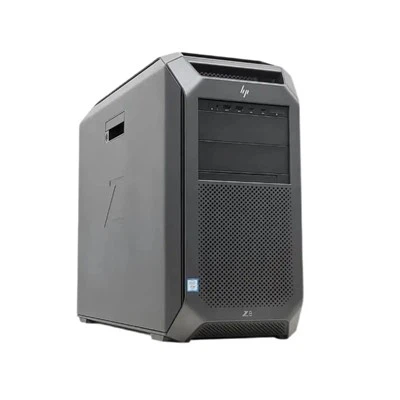


Hey there! I'm a supplier of Lenovo servers, and I'm here to walk you through setting up virtualization on a Lenovo server. Virtualization is a game - changer in the world of IT, allowing you to run multiple virtual machines (VMs) on a single physical server, which can save you a ton of money on hardware, energy, and maintenance.
First things first, let's talk about why you'd want to use a Lenovo server for virtualization. Lenovo servers are known for their reliability, performance, and scalability. Whether you're running a small - scale business or a large enterprise, Lenovo has a server that can meet your needs. For example, the Lenovo Thinksystem SR860 V3 Server is a beast when it comes to handling high - end virtualization workloads. It offers top - notch processing power, large amounts of memory, and high - speed storage options.


Another great option is the Lenovo SR850 V3 2U Server. It's a 2U rack - mount server that provides a good balance between performance and space efficiency. And if you're looking for something a bit more budget - friendly but still powerful enough for virtualization, the Lenovo SR650 V3 Rack Server is a solid choice.
Now, let's get into the nitty - gritty of setting up virtualization on a Lenovo server.
Step 1: Choose the Right Virtualization Software
There are several virtualization software options out there, and the one you choose depends on your specific requirements. Some of the popular ones include VMware vSphere, Microsoft Hyper - V, and KVM (Kernel - based Virtual Machine).
- VMware vSphere: It's a powerful and feature - rich virtualization platform. It offers advanced management tools, high - availability features, and great performance. However, it can be a bit pricey, especially for small businesses.
- Microsoft Hyper - V: If you're already using a lot of Microsoft products in your environment, Hyper - V is a great option. It's integrated with Windows Server, so it's easy to manage and has good compatibility with other Microsoft services.
- KVM: It's an open - source virtualization solution that comes built - in with Linux kernels. It's free, lightweight, and highly customizable.
Step 2: Prepare Your Lenovo Server
Before you start installing the virtualization software, you need to make sure your Lenovo server is properly configured.
- Hardware Check: First, check the hardware components of your server. Make sure you have enough CPU cores, memory, and storage space to support the virtual machines you plan to run. You can refer to the server's documentation or use Lenovo's system management tools to check the hardware status.
- BIOS/UEFI Settings: Enter the BIOS or UEFI settings of your server. Enable virtualization technology (VT - x for Intel processors or AMD - V for AMD processors). This step is crucial as it allows the server's CPU to support virtualization.
Step 3: Install the Virtualization Software
Once your server is ready, it's time to install the virtualization software.
- VMware vSphere Installation:
- Download the VMware vSphere ISO image from the official VMware website.
- Burn the ISO image to a USB drive or a DVD.
- Boot your Lenovo server from the USB drive or DVD.
- Follow the on - screen instructions to install vSphere. You'll need to enter your license key during the installation process.
- Microsoft Hyper - V Installation:
- If you're using Windows Server, you can install Hyper - V through the Server Manager.
- Open Server Manager, click on "Add Roles and Features", and select Hyper - V from the list of roles.
- Follow the wizard to complete the installation.
- KVM Installation:
- If you're using a Linux - based system, you can install KVM using the package manager. For example, on Ubuntu, you can run the following commands in the terminal:
sudo apt - get update
sudo apt - get install qemu - kvm libvirt - daemon - system libvirt - clients bridge - utils virt - manager
Step 4: Configure the Virtualization Environment
After the installation is complete, you need to configure the virtualization environment.
- Network Configuration: Set up the network for your virtual machines. You can create virtual switches in VMware vSphere or Hyper - V to connect the VMs to the physical network. In KVM, you can use bridge interfaces to achieve the same.
- Storage Configuration: Allocate storage space for the virtual machines. You can use local storage on the server or connect to a network - attached storage (NAS) or a storage area network (SAN).
Step 5: Create and Manage Virtual Machines
Once the virtualization environment is configured, you can start creating virtual machines.
- VM Creation: In the virtualization software's management console, create a new virtual machine. Specify the operating system, CPU, memory, and storage requirements for the VM.
- VM Management: You can manage the virtual machines, such as starting, stopping, and migrating them. You can also install guest operating systems on the VMs and configure them according to your needs.
Troubleshooting Tips
- Performance Issues: If you're experiencing performance issues with your virtual machines, check the resource utilization of the physical server. You may need to add more CPU, memory, or storage resources.
- Network Connectivity Issues: Make sure the virtual switches and network settings are configured correctly. Check the network cables and the firewall settings.
Conclusion
Setting up virtualization on a Lenovo server is a great way to optimize your IT infrastructure. With the right virtualization software and proper configuration, you can run multiple virtual machines on a single server, saving costs and improving efficiency.
If you're interested in purchasing a Lenovo server for virtualization or need more help with the setup process, don't hesitate to reach out. We're here to assist you in finding the perfect server solution for your business needs. Whether you're a small startup or a large corporation, we have the expertise and the products to support your virtualization goals.
References
- VMware official documentation
- Microsoft Hyper - V documentation
- KVM official documentation
- Lenovo server user manuals