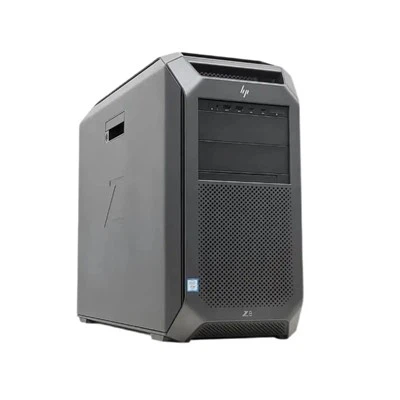


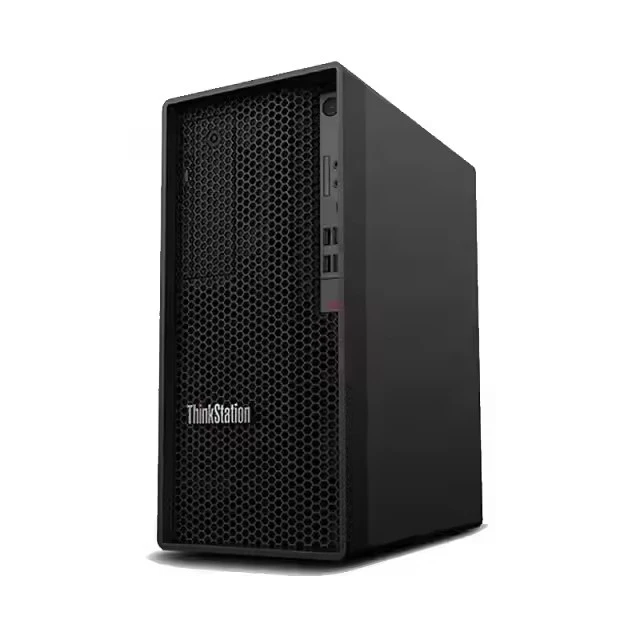
Hey there! As a supplier of Lenovo Workstations, I've dealt with a ton of issues over the years. In this blog post, I'll share some tips on how to troubleshoot common problems with Lenovo Workstations. Whether you're using the Lenovo P920 Workstation, Lenovo P350 Workstation, or Lenovo Tiny P360, these troubleshooting steps should come in handy.
1. Booting Issues
One of the most common problems users face is booting issues. If your Lenovo Workstation won't boot, here are some steps you can take:
Check the Power Supply
First things first, make sure your workstation is properly plugged in. Sometimes, a loose power cable can cause booting problems. Check both ends of the power cable to ensure it's securely connected to the workstation and the power outlet. If you're using a power strip, make sure it's turned on and functioning correctly.
Remove External Devices
External devices like USB drives, external hard drives, and SD cards can sometimes interfere with the boot process. Try removing all external devices and then attempt to boot the workstation again. If it boots successfully, you can start reconnecting the devices one by one to identify the culprit.
Check the BIOS Settings
The BIOS (Basic Input/Output System) settings can affect the boot process. You can access the BIOS settings by pressing a specific key during the boot process, usually F1, F2, or Delete. Once you're in the BIOS, make sure the boot order is set correctly. The hard drive or SSD should be the first boot device. If you're using a CD or DVD to boot, make sure it's the second boot device.
Perform a Hard Reset
If all else fails, you can try performing a hard reset. To do this, turn off the workstation and unplug the power cable. Then, press and hold the power button for about 15 seconds to drain any remaining power. Plug the power cable back in and try to boot the workstation again.
2. Overheating Problems
Overheating is another common issue with Lenovo Workstations, especially if you're using them for resource-intensive tasks like gaming, video editing, or 3D modeling. Here's how you can troubleshoot overheating problems:
Clean the Air Vents
Dust and debris can accumulate in the air vents over time, blocking the airflow and causing the workstation to overheat. Use a can of compressed air to clean the air vents. Make sure to hold the can upright and spray the air in short bursts to avoid getting any liquid on the workstation.
Check the Cooling Fans
The cooling fans are responsible for keeping the workstation cool. Make sure the fans are spinning properly. If a fan is not spinning, it may be damaged and need to be replaced. You can also check the fan speed in the BIOS settings. Some workstations allow you to adjust the fan speed to increase the cooling performance.
Use a Cooling Pad
If your workstation is still overheating, you can use a cooling pad to help dissipate the heat. A cooling pad is a device that sits under the workstation and has built-in fans to blow air over the bottom of the workstation. This can help reduce the temperature and prevent overheating.
Avoid Blocking the Airflow
Make sure your workstation is placed in a well-ventilated area. Avoid placing it on soft surfaces like beds or couches, as these can block the air vents and cause overheating. Also, make sure there's enough space around the workstation for the air to circulate.
3. Display Issues
Display issues can be frustrating, especially if you're using your workstation for work or entertainment. Here are some common display issues and how to troubleshoot them:
Check the Display Cable
A loose or damaged display cable can cause display issues. Make sure the display cable is securely connected to both the workstation and the monitor. If you're using an HDMI cable, try using a different HDMI port on the monitor or the workstation. If the problem persists, try using a different display cable.
Adjust the Display Settings
Sometimes, the display settings on the workstation may be incorrect. You can adjust the display settings by right-clicking on the desktop and selecting Display settings. Make sure the resolution, refresh rate, and orientation are set correctly. You can also try changing the display mode, such as extending or duplicating the display.
Update the Graphics Drivers
Outdated graphics drivers can cause display issues. You can update the graphics drivers by going to the Lenovo support website and downloading the latest drivers for your workstation. Make sure to select the correct operating system and graphics card model. Once you've downloaded the drivers, install them and restart the workstation.
Check for Hardware Problems
If all else fails, there may be a hardware problem with the graphics card or the monitor. You can try connecting the monitor to a different computer to see if the problem persists. If the monitor works fine on another computer, the problem may be with the graphics card in the workstation. In this case, you may need to replace the graphics card.
4. Software and Performance Issues
Software and performance issues can slow down your workstation and make it difficult to work or play. Here are some tips on how to troubleshoot software and performance issues:
Run a Virus Scan
Viruses and malware can cause performance issues and damage your files. Use a reliable antivirus program to scan your workstation for viruses and malware. Make sure to keep the antivirus program up to date to protect your workstation from the latest threats.

Uninstall Unnecessary Programs
Unnecessary programs can take up valuable system resources and slow down your workstation. Go to the Control Panel and uninstall any programs that you don't use or need. You can also use a program like CCleaner to clean up temporary files and registry entries, which can also help improve performance.
Upgrade the RAM
If your workstation is running slow, you may need to upgrade the RAM (Random Access Memory). RAM is used to store data that the computer is currently using, so having more RAM can improve performance. You can check the maximum amount of RAM your workstation can support in the user manual or on the Lenovo support website. Then, purchase the appropriate RAM modules and install them in your workstation.
Optimize the Hard Drive
If you're using a traditional hard drive, you can optimize it to improve performance. You can do this by defragmenting the hard drive, which rearranges the files on the hard drive to make them easier to access. You can also use a program like Disk Cleanup to delete unnecessary files and free up space on the hard drive.
5. Connectivity Issues
Connectivity issues can prevent you from accessing the internet or connecting to other devices. Here's how you can troubleshoot connectivity issues:
Check the Network Connection
Make sure your workstation is properly connected to the network. If you're using a wired connection, check the Ethernet cable to ensure it's securely connected to the workstation and the router. If you're using a wireless connection, make sure the Wi-Fi is turned on and that you're connected to the correct network. You can also try restarting the router and the workstation to see if that resolves the issue.
Update the Network Drivers
Outdated network drivers can cause connectivity issues. You can update the network drivers by going to the Lenovo support website and downloading the latest drivers for your workstation. Make sure to select the correct operating system and network card model. Once you've downloaded the drivers, install them and restart the workstation.
Check for Network Interference
Other devices on the network, such as microwave ovens, cordless phones, and other Wi-Fi routers, can interfere with the Wi-Fi signal. Try moving your workstation closer to the router or changing the Wi-Fi channel on the router to reduce interference. You can also try using a wired connection instead of a wireless connection to see if that resolves the issue.
Contact Your Internet Service Provider
If you're still having connectivity issues, it may be a problem with your internet service provider. Contact your ISP to check if there are any outages or issues in your area. They may also be able to provide you with additional troubleshooting steps.
Conclusion
Troubleshooting common problems with Lenovo Workstations can be a bit challenging, but with the right knowledge and tools, you can usually resolve the issues on your own. By following the tips in this blog post, you should be able to identify and fix most of the common problems with your Lenovo Workstation.
If you're still having problems or if you need further assistance, don't hesitate to contact us. As a Lenovo Workstation supplier, we have the expertise and resources to help you with any issues you may encounter. Whether you're looking to purchase a new workstation or need support for an existing one, we're here to help. Contact us today to discuss your needs and explore the best solutions for your business.
References
- Lenovo Support Website
- Various online forums and communities for Lenovo Workstation users