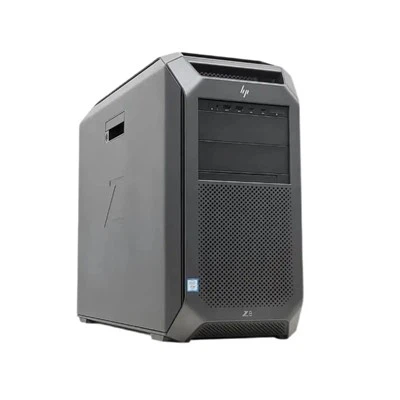


As a Dell server supplier, I've had the privilege of closely observing and understanding the power consumption features of Dell servers. These features are crucial not only for cost - effectiveness but also for environmental sustainability. In this blog, I'll delve into the key power consumption aspects of Dell servers, exploring how they manage energy use and what benefits this brings to users.
1. Energy - Efficient Design Principles
Dell has long been committed to incorporating energy - efficient design principles into its server lineup. One of the fundamental approaches is the use of advanced power supply units (PSUs). Dell servers are equipped with high - efficiency PSUs that can convert AC power to DC power with minimal loss. For example, many of the latest Dell servers use PSUs with a power efficiency rating of up to 94% or even higher under typical operating conditions. This means that less energy is wasted as heat during the power conversion process, directly reducing overall power consumption.
Another aspect of the energy - efficient design is the optimization of the server's internal components. Dell engineers work on reducing the power requirements of individual components such as processors, memory modules, and storage devices. Processors are designed to operate at different power states based on the workload. When the server is idle or under light load, the processors can scale down their power consumption by reducing clock speeds and voltage levels. This dynamic power management feature helps to save energy without sacrificing performance when needed.
2. Power Consumption at Different Workloads
The power consumption of Dell servers varies significantly depending on the workload. At idle, Dell servers are designed to consume as little power as possible. For instance, the Server Dell Poweredge R660 has a very low idle power consumption, which is ideal for data centers where servers may not be fully utilized all the time. This low - power idle state not only saves on electricity bills but also reduces the heat generated by the server, thus decreasing the load on cooling systems.
Under moderate workloads, Dell servers maintain a balance between performance and power consumption. The servers can automatically adjust the power allocation to different components based on the specific tasks being performed. For example, if a server is running a database application with a moderate number of concurrent users, the processors will be allocated an appropriate amount of power to handle the requests efficiently. This intelligent power management ensures that the server doesn't waste energy by over - provisioning power to components that are not fully utilized.
When the server is under heavy workloads, such as during peak business hours or when running resource - intensive applications like big data analytics or virtualization, Dell servers can still operate efficiently. The servers are designed to handle high - load situations without a disproportionate increase in power consumption. The Dell Poweredge R960 Rack Server, for example, is capable of delivering high - performance computing while maintaining a relatively efficient power profile. It uses advanced cooling technologies and power management algorithms to ensure that the power consumption remains within acceptable limits even under extreme conditions.
3. Impact of Configuration on Power Consumption
The configuration of a Dell server has a significant impact on its power consumption. The number and type of processors, the amount of memory, and the storage capacity all play a role in determining how much power the server will consume.
If a server is configured with multiple high - performance processors, it will generally consume more power than a server with a single or fewer processors. However, Dell offers a range of processor options, allowing customers to choose the right balance between performance and power consumption based on their specific needs. For example, if a business only requires basic web hosting services, a server with a single, low - power processor may be sufficient. On the other hand, for enterprises running complex data analytics or virtualization environments, a multi - processor configuration may be necessary, but Dell's power management features can still help to optimize power use.
Memory also affects power consumption. More memory modules generally mean higher power consumption. However, Dell servers support different types of memory with varying power requirements. For example, some of the latest memory technologies are designed to be more energy - efficient while still providing high - speed performance. Customers can choose the appropriate memory configuration based on their application requirements and power budget.
Storage devices are another factor. Traditional hard disk drives (HDDs) consume more power than solid - state drives (SSDs). While HDDs are still a cost - effective option for large - scale data storage, SSDs offer lower power consumption and faster access times. Dell servers support both types of storage, and customers can mix and match them based on their data access patterns and power consumption goals. For example, a server that requires fast data access for critical applications can use SSDs for the system drive and frequently accessed data, while HDDs can be used for long - term data storage.
4. Comparison with Competitors
When compared to other server brands in the market, Dell servers often have an edge in terms of power consumption. Dell's continuous investment in research and development has led to the development of more energy - efficient technologies. For example, in independent power consumption tests, Dell servers have been shown to consume less power than some of their competitors under similar workloads.
This power efficiency advantage not only translates into lower electricity costs for customers but also has a positive environmental impact. With the increasing focus on corporate social responsibility and energy conservation, businesses are more likely to choose Dell servers due to their lower carbon footprint.
5. Power Management Software
Dell provides powerful power management software that allows users to monitor and control the power consumption of their servers. This software can provide real - time information about the power usage of individual components, as well as the overall server. Users can set power management policies based on their specific requirements. For example, they can schedule servers to enter a low - power state during off - peak hours or when not in use.
The power management software also enables users to optimize the power consumption of a group of servers in a data center. It can perform tasks such as load balancing and power capping to ensure that the overall power consumption of the data center remains within a desired limit. This centralized control and monitoring of power consumption make it easier for businesses to manage their energy costs and improve the efficiency of their IT infrastructure.
6. Long - Term Cost Savings
The power consumption features of Dell servers result in significant long - term cost savings for businesses. The lower electricity bills are the most obvious benefit. Over the lifespan of a server, which can be several years, the cumulative savings in electricity costs can be substantial. Additionally, the reduced heat generation due to lower power consumption means less strain on cooling systems. This can lead to lower maintenance costs for cooling equipment and a longer lifespan for the cooling infrastructure.


Moreover, the energy - efficient design of Dell servers may also make businesses eligible for certain energy - efficiency incentives or rebates offered by local governments or utility companies. These incentives can further offset the initial investment in Dell servers and provide additional financial benefits.
Contact for Purchase and Consultation
If you're interested in learning more about the power consumption features of Dell servers or are considering purchasing Dell servers for your business, I'd be more than happy to assist you. Whether you need a single server for a small business or a large - scale data center solution, I can provide you with detailed information and help you choose the right configuration to meet your specific needs and power consumption goals. Feel free to reach out to start a discussion about your requirements and explore the possibilities of integrating Dell servers into your IT infrastructure.
References
- Dell official product documentation
- Independent server power consumption test reports
- Industry research on server energy efficiency