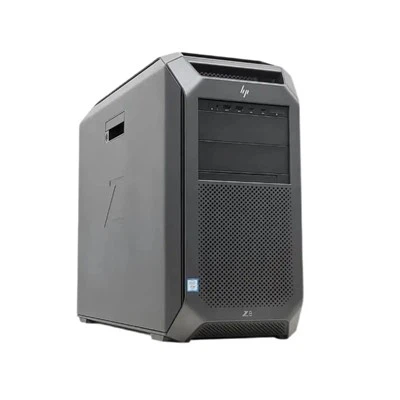


In the dynamic landscape of modern data centers, remote access to servers has become an indispensable requirement for businesses aiming to streamline operations, enhance efficiency, and ensure continuous availability. As a trusted Lenovo Server supplier, I understand the critical role that remote access protocols play in enabling seamless management of servers, regardless of their physical location. In this blog post, I will delve into the various remote access protocols supported by Lenovo servers, exploring their features, benefits, and use cases.
I. Introduction to Remote Access Protocols
Remote access protocols serve as the communication bridge between a user's client device and a remote server, allowing users to perform administrative tasks, monitor system performance, and troubleshoot issues without being physically present at the server location. These protocols ensure secure and efficient data transfer, authentication, and control over the server's resources. Lenovo servers are designed to support a wide range of remote access protocols, catering to diverse user needs and preferences.


II. Popular Remote Access Protocols Supported by Lenovo Servers
1. Intelligent Platform Management Interface (IPMI)
IPMI is a standardized set of specifications for managing and monitoring servers remotely. It provides out - of - band management capabilities, meaning that it can operate independently of the server's operating system. This is particularly useful in situations where the server's OS is unresponsive or crashed.
- Features:
- Hardware Monitoring: IPMI can monitor various hardware components such as temperature, voltage, fan speed, and power consumption. This helps in early detection of potential hardware failures.
- Remote Power Control: Administrators can power on, power off, or restart the server remotely, which is crucial for maintaining system availability.
- Event Logging: It maintains a detailed event log of system events, which can be used for auditing and troubleshooting purposes.
- Benefits:
- Enhanced System Uptime: By allowing remote management even when the OS is down, IPMI reduces the time required to recover from system failures.
- Energy Efficiency: Monitoring power consumption enables administrators to optimize energy usage, leading to cost savings.
Lenovo servers, including the New Lenovo SR630 V3 1U Rack Server, are equipped with IPMI support, providing users with reliable out - of - band management capabilities.
2. Redfish
Redfish is a modern RESTful API - based standard for managing and automating servers. It is designed to be more scalable, flexible, and easier to integrate with existing management tools compared to traditional protocols like IPMI.
- Features:
- Standardized API: Redfish uses a common API across different server vendors, which simplifies the development of management applications.
- Resource - centric Model: It organizes server resources in a hierarchical and easy - to - understand manner, making it easier for administrators to access and manage them.
- Asynchronous Operations: Redfish supports asynchronous operations, allowing multiple tasks to be executed simultaneously without waiting for each one to complete.
- Benefits:
- Simplified Management: The standardized API reduces the complexity of managing servers from different vendors in a heterogeneous environment.
- Improved Automation: Redfish's support for automation enables administrators to streamline routine tasks and reduce human error.
Lenovo's high - end servers, such as the Lenovo SR650 V3 Rack Server, support Redfish, providing users with a modern and efficient way to manage their server infrastructure.
3. Secure Shell (SSH)
SSH is a widely used network protocol for secure remote access to servers. It encrypts all data transmitted between the client and the server, protecting it from eavesdropping and man - in - the - middle attacks.
- Features:
- Encryption: SSH uses strong encryption algorithms to secure data transmission, ensuring the confidentiality and integrity of sensitive information.
- Authentication: It supports various authentication methods, including password - based authentication, key - based authentication, and multi - factor authentication.
- Remote Command Execution: Users can execute commands on the remote server as if they were physically present at the console.
- Benefits:
- Security: SSH provides a secure way to access servers, especially when connecting over untrusted networks.
- Productivity: Remote command execution allows administrators to perform tasks quickly and efficiently without the need for physical access.
Lenovo servers support SSH, enabling users to securely manage their servers from anywhere in the world.
4. Virtual Network Computing (VNC)
VNC is a graphical desktop sharing system that allows users to remotely control a server's desktop environment. It provides a visual interface, which is useful for tasks that require a graphical user interface (GUI).
- Features:
- Graphical Remote Access: VNC allows users to view and interact with the server's desktop as if they were sitting in front of it.
- Cross - Platform Compatibility: It can be used on different operating systems, including Windows, Linux, and macOS.
- Benefits:
- User - Friendly Interface: The graphical interface makes it easy for non - technical users to perform basic administrative tasks.
- Troubleshooting: VNC can be used to troubleshoot GUI - related issues on the server.
Lenovo servers support VNC, providing users with a convenient way to access the server's desktop remotely.
III. Use Cases for Different Remote Access Protocols
1. Data Center Management
In a large - scale data center environment, IPMI and Redfish are particularly useful. IPMI's out - of - band management capabilities allow administrators to monitor and manage servers even when the OS is down. Redfish, on the other hand, simplifies the integration of servers into a unified management system, enabling administrators to manage a large number of servers efficiently.
2. Remote Troubleshooting
SSH and VNC are valuable for remote troubleshooting. SSH allows administrators to execute commands and diagnose issues on the server, while VNC provides a graphical interface for more complex troubleshooting tasks, such as debugging GUI - based applications.
3. Energy Management
IPMI's hardware monitoring capabilities are essential for energy management. By monitoring power consumption and hardware temperatures, administrators can optimize the server's energy usage, reducing operational costs and environmental impact.
IV. Considerations When Choosing a Remote Access Protocol
- Security Requirements: If security is a top priority, protocols like SSH and Redfish, which use strong encryption and authentication mechanisms, are recommended.
- Technical Expertise: Some protocols, such as IPMI, require a certain level of technical expertise to configure and use effectively. For non - technical users, VNC may be a more user - friendly option.
- Scalability: In large - scale environments, protocols like Redfish, which are designed for scalability, are more suitable.
V. Conclusion
As a Lenovo Server supplier, I am proud to offer servers that support a wide range of remote access protocols. Whether you need out - of - band management capabilities, a modern RESTful API - based solution, secure command - line access, or a graphical desktop sharing system, Lenovo servers have you covered.
The choice of remote access protocol depends on your specific requirements, such as security, technical expertise, and scalability. By understanding the features and benefits of each protocol, you can make an informed decision that will enhance the efficiency and security of your server management.
If you are interested in purchasing Lenovo servers or need more information about the remote access protocols supported by our products, please contact us for a detailed consultation. We are committed to providing you with the best solutions for your server infrastructure needs.
References
- "Intelligent Platform Management Interface (IPMI) Specification"
- "Redfish Specification"
- "Secure Shell (SSH) Protocol"
- "Virtual Network Computing (VNC) Standard"