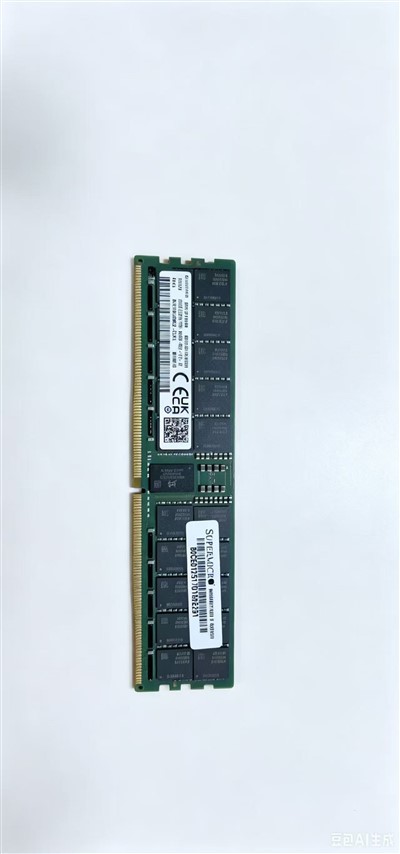
RAM enables the computer to perform most everyday tasks, such as loading applications, browsing the Internet, editing spreadsheets, or experiencing new games. Memory also allows you to quickly switch between these tasks while remembering your progress in each one. Generally speaking, the larger the memory, the stronger the multitasking ability.
For example, when you open your computer, check your email, and then edit a spreadsheet, the role of memory is reflected in the following different aspects:
Load and run spreadsheet programs and email applications
Responding to commands, such as deleting emails and editing spreadsheets
Switch between open programs, such as switching back and forth between spreadsheets and emails
To some extent, memory is like the tabletop of a desk, allowing you to handle various projects simultaneously. The larger the office desk, the more files, folders, and tasks you can handle at the same time. You can easily and quickly access information without having to search through file cabinets (equivalent to computer storage disks).
Why is RAM so important?
The speed and performance of the system are directly related to the installed RAM capacity. If the system does not have enough RAM, the running speed may be slow, especially when multitasking or opening multiple programs or applications at the same time.
If you frequently encounter frustrating issues such as unresponsive programs, slow loading times, and slow computer operation, insufficient RAM may be the cause. There are some methods to determine if your computer needs more memory, and you can easily upgrade your desktop or laptop RAM on your own.
In order to prevent users from installing incompatible memory, there are some physical differences between modules using each generation of memory technology. There is a unified industry standard for these physical differences, so please make sure to purchase memory or other components compatible with the motherboard.
RAM performance is the relationship between speed and latency. At a fundamental level, latency refers to the time delay between the input of a command and the availability of data. Understanding the speed and latency of RAM can help you better choose the appropriate RAM to install in your system based on your needs.

 English
- English
- Français
- Deutsch
- 日本語
- Italiano
- Español
- Português
- русский
- íslenska
- O'zbek
- Việt Nam
- Srbija jezik (latinica)
- اردو
- bosanski
- Català
- Polski
- Eesti
- हिंदी
- Български
- Čeština
- Latviešu
- বাংলা
- Gaeilgenah Éireann
- suomi
- dansk
- Bai Miaowen
- Türkçe
- Indonesia
- عربي
- Svenska
- slovenčina
- magyar
- România limbi
- Lietuvių
- slovenščina
- فارسی
- ไทย
- Cymraeg
- Kreyòl Ayisyen
- Ελληνικά
- עברית
- Melayu
- Norsk
- 한국어
- hrvatski
- українська
- Malti
- Nederlands