

In the modern digital age, data storage is a fundamental requirement for individuals and businesses alike. Hard Disk Drives (HDDs) have long been a staple in the storage industry, offering large capacities at relatively low costs. As a reputable HDD supplier, I am often asked about the security risks associated with these devices. In this blog post, I will delve into the potential security threats that HDDs may face and discuss how we can mitigate them.
Physical Security Risks
One of the most obvious security risks associated with HDDs is physical theft. Since HDDs are physical devices, they can be easily stolen if not properly secured. A stolen HDD can contain sensitive information such as personal data, financial records, and business secrets. Once in the wrong hands, this information can be accessed and misused, leading to identity theft, financial loss, and damage to a company's reputation.
To mitigate the risk of physical theft, it is essential to implement proper security measures. This includes storing HDDs in secure locations such as locked cabinets or data centers with restricted access. Additionally, using security cameras and alarm systems can help deter thieves and provide evidence in case of a theft.
Another physical security risk is damage to the HDD. Physical damage can occur due to various reasons such as drops, shocks, or exposure to extreme temperatures. When an HDD is damaged, it can lead to data loss or corruption. In some cases, the data may be recoverable, but this can be a costly and time-consuming process.
To prevent physical damage, it is important to handle HDDs with care. This includes using proper packaging when transporting HDDs and avoiding exposing them to harsh environments. Additionally, using shock-absorbing cases and mounting HDDs in stable enclosures can help protect them from physical damage.
Data Encryption and Access Control
Data encryption is a crucial security measure that can help protect the data stored on HDDs. Encryption involves converting data into a code that can only be decrypted with a specific key. By encrypting the data on an HDD, even if the device is stolen or lost, the data will be unreadable without the encryption key.
There are different types of encryption algorithms available, and it is important to choose a strong encryption algorithm that is resistant to brute-force attacks. Additionally, it is important to store the encryption key securely, as losing the key can result in permanent data loss.
Access control is another important aspect of HDD security. Access control involves limiting who can access the data stored on an HDD. This can be achieved through the use of passwords, user accounts, and permissions. By implementing access control measures, only authorized individuals can access the data, reducing the risk of unauthorized access.
As an HDD supplier, we offer HDDs that support various encryption standards and access control features. For example, our 16TB HDD comes with built-in encryption capabilities, allowing users to encrypt their data easily. Additionally, we provide guidance on how to set up and manage access control to ensure the security of the data stored on our HDDs.
Malware and Viruses
Malware and viruses are a significant security threat to HDDs. Malware is software that is designed to harm a computer system, while viruses are a type of malware that can replicate and spread from one computer to another. When an HDD is infected with malware or a virus, it can lead to data loss, corruption, or unauthorized access.
To protect against malware and viruses, it is important to install and regularly update antivirus software on the computer system that uses the HDD. Antivirus software can detect and remove malware and viruses before they can cause damage. Additionally, it is important to avoid downloading files from untrusted sources and to be cautious when opening email attachments.
As an HDD supplier, we recommend using reputable antivirus software and keeping it up to date. We also provide information on how to protect against malware and viruses to our customers to ensure the security of the data stored on our HDDs.
Firmware and Software Vulnerabilities
HDDs rely on firmware and software to function properly. Firmware is a type of software that is embedded in the HDD and controls its basic functions, while software refers to the operating system and applications that use the HDD. Like any other software, firmware and software can have vulnerabilities that can be exploited by attackers.
Firmware and software vulnerabilities can lead to various security issues, such as unauthorized access, data loss, or system crashes. To address these vulnerabilities, it is important to keep the firmware and software of the HDD up to date. HDD manufacturers often release firmware updates to fix security vulnerabilities and improve the performance of the HDD.
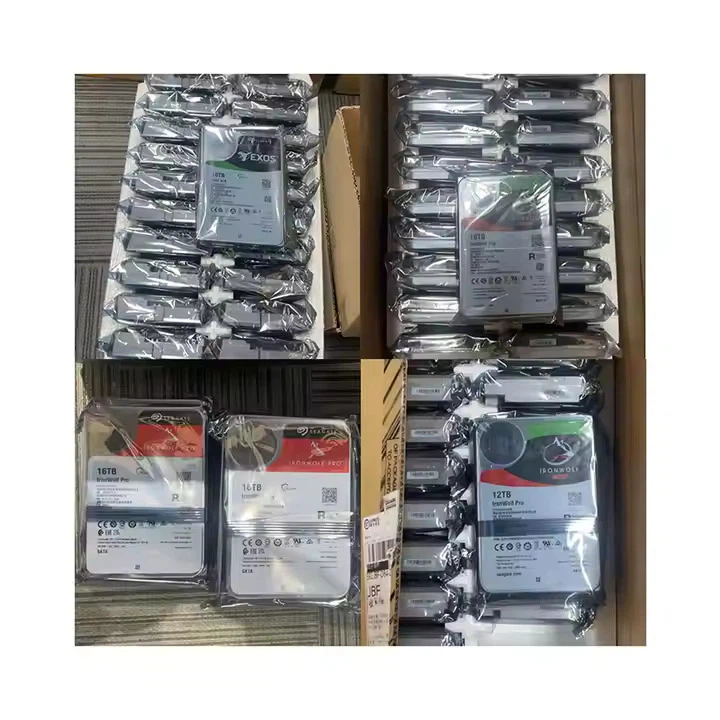

As an HDD supplier, we work closely with HDD manufacturers to ensure that our customers have access to the latest firmware updates. We also provide information on how to update the firmware and software of the HDD to our customers to help them maintain the security of their data.
End-of-Life and Data Disposal
When an HDD reaches the end of its life, it is important to dispose of it properly to prevent data leakage. Simply deleting the data on an HDD is not enough, as the data can still be recovered using specialized software. To ensure that the data on an HDD is permanently deleted, it is recommended to use data wiping software or physically destroy the HDD.
Data wiping software overwrites the data on an HDD multiple times, making it impossible to recover the data. Physical destruction involves physically damaging the HDD, such as shredding or drilling holes in it. When disposing of an HDD, it is important to follow the proper procedures and regulations to ensure that the data is securely destroyed.
As an HDD supplier, we provide guidance on how to properly dispose of HDDs at the end of their life. We also offer data wiping services to our customers to ensure that the data on their HDDs is securely deleted.
Conclusion
In conclusion, while HDDs offer large storage capacities at relatively low costs, they are not without security risks. Physical theft, data encryption, malware and viruses, firmware and software vulnerabilities, and end-of-life data disposal are all potential security threats that need to be addressed.
As an HDD supplier, we are committed to providing our customers with high-quality HDDs that are secure and reliable. We offer a range of HDDs with various security features, such as encryption and access control, and we provide guidance on how to protect the data stored on our HDDs.
If you are interested in purchasing HDDs or have any questions about HDD security, please feel free to contact us. We would be happy to discuss your storage needs and provide you with the best solutions for your business.
References
- Stallings, W. (2018). Cryptography and Network Security: Principles and Practice. Pearson.
- Whitman, M. E., & Mattord, H. J. (2018). Principles of Information Security. Cengage Learning.
- Schneier, B. (2015). Applied Cryptography: Protocols, Algorithms, and Source Code in C. Wiley.