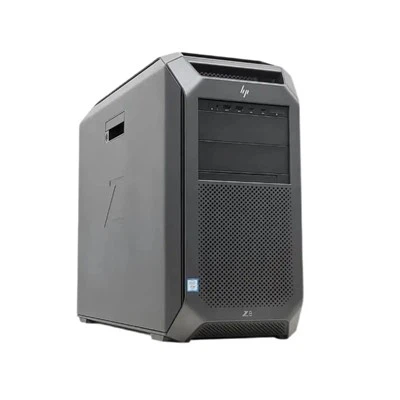


Hey there! I'm a supplier of Huawei servers, and I often get asked about upgrading the CPU of Huawei servers. Today, I'm gonna share with you a step - by - step guide on how to upgrade the CPU of a Huawei server.
First off, let's talk about why you might want to upgrade the CPU. As your business grows, your server's workload may increase. An old or under - powered CPU can lead to slow performance, longer processing times, and even system crashes. Upgrading the CPU can significantly boost the server's performance, allowing it to handle more complex tasks and more concurrent users.
1. Check Server Compatibility
Before you go ahead and buy a new CPU, you need to make sure it's compatible with your Huawei server. Different Huawei server models support different CPUs. For example, the 1288h V6 and 2488h V6 have their own specific CPU requirements. You can refer to the server's manual or Huawei's official documentation to find out which CPUs are supported.
You also need to consider the socket type. The CPU must fit into the socket on the server's motherboard. Usually, Huawei servers use standard socket types, but it's still crucial to double - check. Another important factor is the power supply. A more powerful CPU may require more power, so you need to ensure that your server's power supply can handle the new CPU.
2. Gather the Necessary Tools
Once you've confirmed the compatibility, it's time to gather the tools you'll need for the upgrade. You'll typically need a Phillips - head screwdriver to open the server case. You might also need an anti - static wrist strap to prevent static electricity from damaging the sensitive components inside the server. And don't forget to have a clean, soft cloth handy to wipe away any dust.
3. Prepare the Server
Before you start working on the server, make sure to shut it down properly. Save all your important data and then power off the server. Unplug the power cord from the wall socket to avoid any electrical hazards.
Next, place the server on a stable, flat surface. If possible, work in a clean and dry environment to prevent dust and debris from getting inside the server. Put on your anti - static wrist strap and connect it to a grounded object, like a metal part of the server case.
4. Open the Server Case
Use your Phillips - head screwdriver to remove the screws on the side panel of the server case. Carefully slide the panel off and set it aside. Be gentle when handling the panel to avoid bending or damaging it.
Once the case is open, you'll be able to see the internal components of the server. Take a moment to familiarize yourself with the layout. Locate the CPU socket, which is usually covered by a heatsink and a retention mechanism.
5. Remove the Old CPU
First, you need to remove the heatsink. The heatsink is attached to the CPU with thermal paste, which helps transfer heat from the CPU to the heatsink. Loosen the screws or clips that hold the heatsink in place. Be careful not to apply too much force, as you don't want to damage the motherboard.


Once the heatsink is loose, gently lift it off the CPU. You may notice that there's some thermal paste residue on the CPU and the heatsink. Use your clean, soft cloth to wipe away the old thermal paste.
Next, you'll need to release the CPU retention mechanism. This is usually a lever or a screw that holds the CPU in place. Follow the instructions in the server's manual to release the mechanism. Once the mechanism is released, you can carefully lift the old CPU out of the socket.
6. Install the New CPU
Take your new CPU out of its packaging. Be extremely careful when handling it, as the pins on the CPU are very delicate. Align the CPU with the socket on the motherboard. There are usually small notches or markings on the CPU and the socket to help you with the alignment. Make sure the CPU is properly seated in the socket.
Once the CPU is in place, secure it with the retention mechanism. Make sure the mechanism is tightened properly, but don't over - tighten it.
7. Apply New Thermal Paste
After installing the new CPU, it's time to apply new thermal paste. A thin, even layer of thermal paste is all you need. You can use a small spatula or the back of a credit card to spread the thermal paste evenly over the surface of the CPU.
8. Reinstall the Heatsink
Carefully place the heatsink back on top of the CPU. Make sure it's properly aligned and that the clips or screws can be tightened securely. Tighten the screws or clips gradually and evenly to ensure that the heatsink is firmly attached to the CPU.
9. Close the Server Case
Once you've installed the new CPU and the heatsink, it's time to close the server case. Slide the side panel back into place and secure it with the screws.
10. Power On and Test
Plug the power cord back into the wall socket and power on the server. During the boot - up process, the server may perform a hardware check. Keep an eye on the screen for any error messages.
Once the server has booted up, you can run some performance tests to make sure the new CPU is working properly. You can use system monitoring tools to check the CPU usage, temperature, and other performance metrics.
Contact for Purchase and Consultation
If you're interested in upgrading your Huawei server's CPU or purchasing a new Huawei server like the Huawei 2488h V7, feel free to reach out to us. We're here to provide you with the best products and professional advice. Whether you have questions about compatibility, installation, or any other issues, our team of experts is ready to assist you.
References
- Huawei Server User Manuals
- Industry - standard Server Hardware Guides