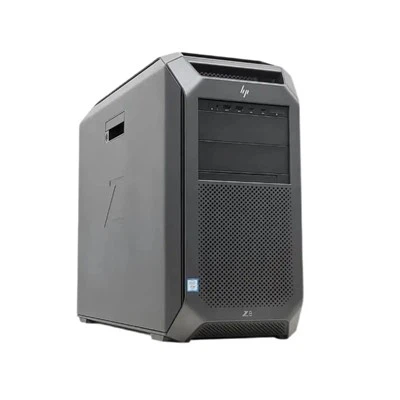


Hey there! As a supplier of HP servers, I've seen firsthand how these machines perform in virtualized environments. In this blog post, I'm gonna share my insights and experiences with you.
First off, let's talk about what virtualization is. In simple terms, virtualization allows you to run multiple virtual machines (VMs) on a single physical server. This means you can make the most of your hardware resources, reduce costs, and improve efficiency. It's a game - changer for businesses of all sizes.
Now, when it comes to HP servers in virtualized setups, they really shine. HP has been in the server - game for a long time, and they've poured a ton of R & D into making their servers top - notch for virtualization.
One of the key factors in a virtualized environment is performance. HP servers are built with powerful processors that can handle the heavy lifting of running multiple VMs simultaneously. For example, the HPE Proliant DL380 Gen10 Plus 8sff comes with advanced Intel Xeon Scalable processors. These processors are designed to deliver high - core counts and great single - core performance, which is exactly what you need when you're juggling multiple VMs. Whether it's a small business running a few VMs for testing and development or an enterprise with hundreds of production VMs, the DL380 Gen10 Plus can handle it.
Memory is another crucial aspect. In a virtualized environment, VMs need a good amount of memory to run smoothly. HP servers offer a wide range of memory options. You can customize the memory configuration according to your specific virtualization needs. The Proliant DL360 Gen10 8sff allows for high - density memory configurations, enabling you to allocate sufficient memory to each VM. This reduces the chances of memory bottlenecks and ensures that your virtualized applications run without a hitch.
Storage is yet another area where HP servers excel in virtualized setups. HP offers various storage options, including high - speed SSDs and large - capacity HDDs. With technologies like intelligent caching, data can be stored and retrieved more efficiently. Take the HP Proliant DL580 G10, for instance. It has a robust storage subsystem that can support different RAID levels. This not only provides data protection but also improves read and write speeds, which is essential for virtualized databases and other I/O - intensive applications.


In addition to raw performance, HP servers also come with great management features. HP's Integrated Lights - Out (iLO) technology is a game - changer. It allows you to manage your servers remotely, whether they're in the same building or on the other side of the world. You can monitor server health, perform firmware updates, and even troubleshoot issues without having to physically be at the server rack. This is especially useful in virtualized environments where you might have a large number of servers to manage.
Another advantage of using HP servers in a virtualized environment is their compatibility. HP servers work well with popular virtualization platforms like VMware vSphere, Microsoft Hyper - V, and Citrix XenServer. This means you can easily integrate HP servers into your existing virtualization infrastructure without any major headaches.
Let's talk about reliability. In a virtualized environment, downtime is not an option. HP servers are built with reliability in mind. They have redundant power supplies, fans, and other components. This means that if one component fails, the server can continue to run without any major disruptions. HP also offers great support services, so if you do run into any issues, you can get help quickly.
Now, let's look at the cost - effectiveness of using HP servers in virtualization. By consolidating multiple physical servers into a single HP server through virtualization, you can save on hardware costs, power consumption, and cooling. You also need less physical space in your data center. Over time, these savings can add up significantly. And with the long - term reliability of HP servers, you won't have to replace your hardware as often, which further reduces costs.
But it's not just about the technical aspects. As an HP server supplier, I can tell you that the customer service and support from HP are top - notch. They have a team of experts who can help you with everything from the initial setup of your virtualized environment to ongoing maintenance and troubleshooting.
If you're thinking about setting up a virtualized environment or upgrading your existing one, I highly recommend considering HP servers. They offer great performance, reliability, and cost - effectiveness. And as your HP server supplier, I'm here to help you every step of the way. Whether you need advice on which server model is right for your needs, assistance with the installation, or just general support, I've got you covered.
So, if you're interested in learning more about how HP servers can benefit your virtualized environment or if you're ready to start the procurement process, don't hesitate to reach out. Let's have a chat, and we can figure out the best solution for your business.
References:
- HP Server Technical Documentation
- Industry reports on server performance in virtualized environments