

As a supplier of the 1288h V7 servers, I am often asked about the intricacies of its cooling system. In this blog, I will delve into the details of how the cooling system of the 1288h V7 works, exploring its components, principles, and the benefits it offers.
Components of the Cooling System
The cooling system of the 1288h V7 is a sophisticated setup that consists of several key components, each playing a crucial role in maintaining optimal operating temperatures.
Fans
The fans are the heart of the cooling system. The 1288h V7 is equipped with high - performance fans that are designed to provide efficient airflow. These fans are carefully placed within the server chassis to ensure that air is evenly distributed across all critical components, such as the CPU, memory modules, and hard drives. The fans are also adjustable in terms of speed. They can increase or decrease their rotational speed based on the real - time temperature readings within the server. This dynamic adjustment helps in conserving energy when the server load is low and provides maximum cooling when the server is under heavy stress.
Heat Sinks
Heat sinks are another vital component of the cooling system. They are typically made of materials with high thermal conductivity, such as copper or aluminum. Heat sinks are attached directly to the heat - generating components, like the CPUs. Their function is to absorb the heat produced by these components and dissipate it into the surrounding air. The large surface area of the heat sinks allows for more efficient heat transfer. Fins are often added to the heat sinks to further increase the surface area available for heat dissipation.
Liquid Cooling Components (Optional)
In some configurations, the 1288h V7 can be equipped with liquid cooling components. Liquid cooling systems use a coolant, usually water or a water - based solution, to transfer heat away from the components. A pump circulates the coolant through a closed loop that includes cold plates attached to the CPUs and other high - heat components. As the coolant absorbs the heat, it is then passed through a radiator, where the heat is dissipated into the air. Liquid cooling offers several advantages, including better heat transfer efficiency and quieter operation compared to air - only cooling systems.
Working Principles of the Cooling System
The cooling system of the 1288h V7 operates based on the principles of thermodynamics and fluid dynamics.
Airflow Management
The fans create a flow of air through the server chassis. The air enters the server through carefully designed intake vents. As the air moves through the chassis, it passes over the heat - generating components. Heat is transferred from the components to the air through convection. The heated air is then expelled from the server through exhaust vents. The design of the chassis is optimized to ensure that the airflow path is as direct and unobstructed as possible. This reduces the resistance to airflow, allowing the fans to operate more efficiently.
Temperature Sensing and Control
The 1288h V7 is equipped with multiple temperature sensors located throughout the server. These sensors continuously monitor the temperature of critical components. The data from these sensors is sent to the server's management system. Based on this data, the management system can adjust the speed of the fans. For example, if the temperature of a CPU rises above a certain threshold, the management system will increase the speed of the fans in the vicinity of that CPU to provide more cooling. This intelligent control mechanism helps in maintaining a stable operating temperature for all components.
Heat Transfer Processes
As mentioned earlier, heat transfer occurs through convection, conduction, and radiation. Conduction is the transfer of heat through direct contact between the heat - generating components and the heat sinks. The heat sinks then transfer the heat to the surrounding air through convection. Radiation also plays a minor role, where heat is emitted in the form of electromagnetic waves from the hot components. However, convection and conduction are the primary heat transfer mechanisms in the 1288h V7 cooling system.
Benefits of the Cooling System
The advanced cooling system of the 1288h V7 offers several benefits for both the server and its users.
Improved Performance
By maintaining optimal operating temperatures, the cooling system ensures that the server's components can operate at their full potential. High temperatures can cause components to throttle, reducing their performance. With efficient cooling, the CPUs, memory, and other components can run at their maximum clock speeds, resulting in better overall server performance.
Extended Component Lifespan
Excessive heat can significantly reduce the lifespan of electronic components. The cooling system of the 1288h V7 helps in preventing overheating, which in turn extends the lifespan of the components. This reduces the need for frequent component replacements, saving both time and money for the users.
Energy Efficiency
The dynamic fan speed control and the option of liquid cooling contribute to the energy efficiency of the 1288h V7. The fans only run at high speeds when necessary, and liquid cooling systems can provide effective cooling with less energy consumption compared to traditional air - cooling systems. This not only reduces the electricity bills but also makes the server more environmentally friendly.
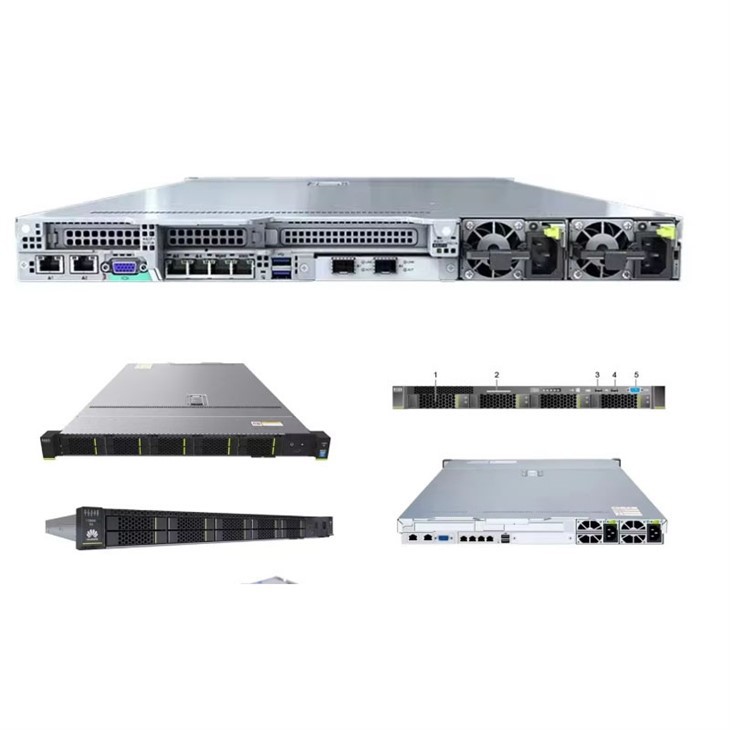

Comparison with Other Server Models
When comparing the cooling system of the 1288h V7 with other server models, such as the 5885h V5 and the 2488h V6, the 1288h V7 stands out in several aspects.
The 1288h V7's cooling system is more advanced in terms of its intelligent temperature control. While the 5885h V5 and 2488h V6 also have effective cooling systems, the 1288h V7 can adjust the cooling more precisely based on the real - time heat distribution within the server. Additionally, the option of liquid cooling in the 1288h V7 provides a significant advantage in terms of heat transfer efficiency and noise reduction compared to the other two models.
Conclusion
The cooling system of the 1288h V7 is a well - designed and highly efficient system that plays a crucial role in ensuring the optimal performance, longevity, and energy efficiency of the server. Whether you are running a small - scale business or a large - scale data center, the 1288h V7's cooling system can provide the reliable cooling you need.
If you are interested in learning more about the 1288h V7 or are considering a purchase, I encourage you to reach out to discuss your specific requirements. Our team of experts is ready to assist you in making the right decision for your server needs.
References
- Server Technology Handbook - A comprehensive guide to server components and technologies.
- Thermodynamics and Fluid Dynamics textbooks for understanding the principles behind cooling systems.