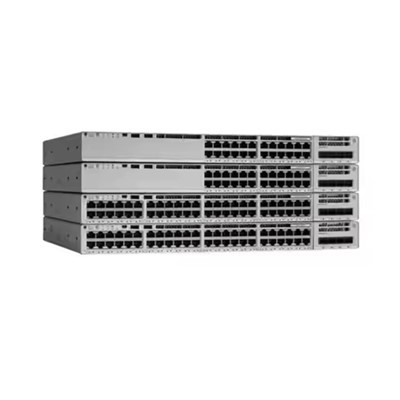


Hey there! I'm a supplier of Huawei servers, and today I'm super stoked to chat about the support for the Internet of Things (IoT) on Huawei servers. As the IoT landscape continues to expand, having the right server infrastructure is crucial, and Huawei servers are up to the task.
Understanding the IoT and Its Demands
First off, let's quickly go over what the IoT is. The Internet of Things refers to the network of physical objects—devices, vehicles, home appliances, and more—embedded with sensors, software, and network connectivity that enables these objects to collect and exchange data. This data can be used for a variety of purposes, from improving efficiency in industrial processes to enhancing the user experience in smart homes.
The IoT generates an enormous amount of data. All those sensors constantly sending information need a reliable and powerful server to handle it. That's where Huawei servers come in. They're designed to manage the high - volume, real - time data streams that are characteristic of IoT applications.
How Huawei Servers Support IoT
High - Performance Computing
Huawei servers are equipped with high - performance processors that can handle the complex computations required for IoT data analysis. Whether it's processing sensor data from a smart factory or analyzing traffic patterns in a smart city, the servers can crunch the numbers quickly. For example, the 1288h V7 offers excellent computing power. It has multi - core processors that can handle parallel processing, which is essential for dealing with multiple IoT data sources simultaneously.


Scalability
One of the key features of Huawei servers is their scalability. As your IoT deployment grows, you can easily scale up your server resources. You can add more memory, storage, or processing power without having to replace the entire server. This is a huge advantage for IoT projects, as they often start small and expand over time. The 2488h V6 is a great example of a scalable server. It allows you to add additional hard drives or memory modules as your IoT data storage needs increase.
Reliability
In the IoT world, downtime is not an option. A single server failure can disrupt an entire IoT system, leading to lost data and revenue. Huawei servers are built with reliability in mind. They have redundant power supplies, multiple network interfaces, and advanced error - correction technologies. The 2488h V5 is known for its high - reliability design. It can withstand harsh environments and continue to operate without interruption, ensuring that your IoT data is always being processed and stored safely.
Security
Security is a top concern in the IoT. With so many connected devices, there are more potential entry points for hackers. Huawei servers come with advanced security features to protect your IoT data. They have built - in firewalls, intrusion detection systems, and encryption technologies. These features help prevent unauthorized access to your IoT network and keep your data safe from cyber threats.
Use Cases of Huawei Servers in IoT
Smart Manufacturing
In a smart factory, there are hundreds or even thousands of sensors on the production line. These sensors collect data on things like temperature, pressure, and vibration. Huawei servers can process this data in real - time, allowing manufacturers to detect problems early and optimize their production processes. For example, if a sensor detects an abnormal temperature in a machine, the server can immediately alert the maintenance team, preventing costly breakdowns.
Smart Cities
Smart cities rely on a vast network of IoT devices, such as traffic sensors, environmental monitors, and smart lighting systems. Huawei servers can manage the data from all these devices, providing valuable insights for city planners. For instance, traffic data can be used to optimize traffic flow, reducing congestion and improving air quality.
Smart Agriculture
In agriculture, IoT sensors can monitor soil moisture, temperature, and nutrient levels. Huawei servers can analyze this data to help farmers make informed decisions about irrigation, fertilization, and pest control. This leads to higher crop yields and more efficient use of resources.
Why Choose a Huawei Server for Your IoT Project
As a Huawei server supplier, I've seen firsthand the benefits that these servers bring to IoT projects. They offer a combination of high performance, scalability, reliability, and security that is hard to beat. Whether you're a small startup or a large enterprise, Huawei servers can meet your IoT needs.
If you're thinking about starting an IoT project or looking to upgrade your existing server infrastructure, I highly recommend considering Huawei servers. They're not only powerful but also cost - effective in the long run.
Let's Talk!
If you're interested in learning more about how Huawei servers can support your IoT project, I'd love to have a chat. I can provide you with detailed information about the different server models, their features, and how they can be customized to fit your specific requirements. Whether you're just starting to explore the IoT or you're looking to take your existing project to the next level, I'm here to help.
References
- Huawei Server Product Documentation
- Industry Reports on IoT and Server Technologies