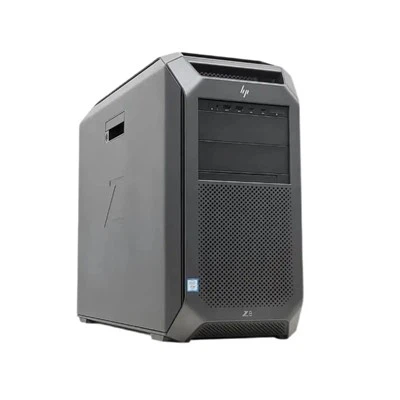


Hey there! I'm a supplier of Huawei servers, and I often get asked about how to install an operating system on a Huawei server. It might seem like a daunting task, but with the right steps and a bit of patience, you'll have it up and running in no time. In this blog, I'll walk you through the whole process, sharing some tips and tricks along the way.
Pre - installation Preparations
Before you start the installation, there are a few things you need to do. First off, you need to choose the right operating system. Whether it's Windows Server, Linux distributions like Ubuntu Server or CentOS, make sure it's compatible with your Huawei server model. For example, the 1288h V6 is a powerful server that can handle a wide range of operating systems, but you still need to double - check the system requirements.
Next, gather all the necessary installation media. You can use a USB drive or a DVD. If you're using a USB drive, you'll need to create a bootable one. There are plenty of tools available online to help you with this, like Rufus for Windows. Just download your chosen operating system image, run the tool, select the USB drive and the image file, and follow the on - screen instructions to create the bootable USB.
Also, it's a good idea to back up any important data on the server. Although the installation process usually won't affect your data if you choose the right options, it's better to be safe than sorry.
Accessing the BIOS/UEFI
Once you've got everything ready, you need to access the BIOS or UEFI settings of your Huawei server. The way to do this varies depending on the server model. For the Huawei 2288h V6, you typically need to press a specific key during the server's startup process. Usually, it's something like F2 or Delete. Keep an eye on the screen when you power on the server, and it'll tell you which key to press.


In the BIOS/UEFI settings, you can make a few important changes. First, set the boot order. You want to make sure that the server boots from the installation media (USB drive or DVD) first. Navigate to the "Boot" section in the BIOS/UEFI, and use the arrow keys to move the USB drive or DVD option to the top of the boot order list.
You might also want to check the system time and date settings, as well as other hardware - related options. But for the most part, the default settings should work fine for the operating system installation.
Starting the Installation
After you've set the boot order, save the changes in the BIOS/UEFI and restart the server. The server should now boot from the installation media. You'll see the installation screen of your chosen operating system.
Follow the on - screen instructions. Usually, it'll start with a language selection. Choose your preferred language, keyboard layout, and other basic settings. Then, you'll come to the disk partitioning section. Here, you can choose how to allocate the server's storage space. You can go for the automatic partitioning option, which is quick and easy, or do it manually if you have specific requirements.
If you're installing Windows Server, for example, it'll ask you to enter the product key at some point. Make sure you have a valid key handy. If you're installing a Linux distribution like Ubuntu Server, you won't need a product key.
During the installation process, the server will copy files, configure the system, and perform other tasks. This can take some time, depending on the server's hardware and the size of the operating system. Just be patient and let it do its thing.
Post - installation Configuration
Once the installation is complete, the server will restart. When it boots up again, you'll be greeted with the initial setup of the operating system. You'll need to create an administrative account, set a password, and configure other basic settings.
For Windows Server, you can start by joining the server to a domain if you're using a corporate network. You can also install additional software and updates. Windows Update is a great way to keep your server secure and up - to - date.
If you're using a Linux distribution, you can start by updating the system packages. Open the terminal and run commands like sudo apt update and sudo apt upgrade for Ubuntu Server. You can also install other software you need, like a web server (Apache or Nginx) or a database management system (MySQL or PostgreSQL).
Troubleshooting
Sometimes, things don't go as smoothly as planned. You might encounter issues during the installation process. One common problem is that the server doesn't boot from the installation media. This could be due to a faulty USB drive or incorrect BIOS/UEFI settings. Double - check the boot order in the BIOS/UEFI and make sure the USB drive is properly inserted.
Another issue could be driver problems. Some hardware components on the Huawei server might not have the right drivers installed by default. You can usually find the drivers on the Huawei official website. Just search for your server model and download the appropriate drivers for your operating system.
If you're having trouble with the network connection after the installation, check the network settings in the operating system. Make sure the network adapter is properly configured and that you have the right IP address, subnet mask, and gateway settings.
Conclusion
Installing an operating system on a Huawei server isn't as hard as it might seem. By following these steps, you can get your server up and running with your chosen operating system. And if you ever run into any problems, don't hesitate to reach out for help.
As a Huawei server supplier, I'm here to assist you with all your server - related needs. Whether you're looking to buy a new server like the 5885h V5 or need help with the installation and configuration, I can offer you professional advice and support. If you're interested in purchasing a Huawei server or have any questions about the installation process, feel free to contact me for a procurement discussion.
References
- General knowledge from years of experience as a Huawei server supplier.
- Official Huawei server documentation.
- Online resources for operating system installation guides.