

What is Server Downtime?
Hey there, folks! As a server supplier, I've seen my fair share of server - related issues, and one term that comes up a lot is "server downtime." So, what exactly is it?
Server downtime is the period when a server isn't operational and can't provide the services it's supposed to. In simpler words, it's like when your car breaks down on the road and can't take you to your destination. When a server experiences downtime, users can't access websites, applications, or any other services that rely on that server.
Let's dig a bit deeper into the reasons behind server downtime. There are basically two main types of causes: hardware - related and software - related.
Hardware - related Causes
First off, hardware failures are a real pain in the neck. Things like hard drive crashes can stop a server dead in its tracks. Hard drives are like the storage lockers of servers, and if they malfunction, all the data stored on them can become inaccessible. Power outages are another common culprit. If the power supply to a server is interrupted, it shuts down immediately. Imagine you're in the middle of writing an important paper and suddenly the power goes off; it's a similar situation for servers.
Also, overheating can cause serious issues. Servers generate a lot of heat, and if the cooling systems don't work properly, components can start to fail. It's like when you run a marathon under the scorching sun without proper hydration - it's going to end badly.
Software - related Causes
Software glitches are just as troublesome. Bugs in the operating system can lead to system crashes. Sometimes, software updates go wrong. You might think that updating your software will make things better, but if the update has compatibility issues or bugs of its own, it can bring the server down.
Cyberattacks are also a major threat. Hackers can launch Distributed Denial - of - Service (DDoS) attacks, where they flood the server with traffic, making it unable to handle legitimate requests. It's like a mob of people blocking the entrance to a store, preventing customers from getting in.
Now, let's talk about the impact of server downtime. For businesses, it can be a disaster. In today's digital age, a lot of companies rely on servers to run their operations. If an e - commerce website experiences downtime, customers can't make purchases. This means lost sales, and in the long run, it can damage the company's reputation.
Think about a big online retailer during the holiday shopping season. If their server goes down for even a few hours, they could lose millions of dollars in potential revenue. And customers who have a bad experience due to server downtime are likely to take their business elsewhere.
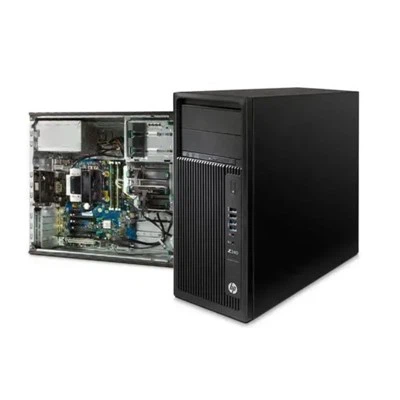
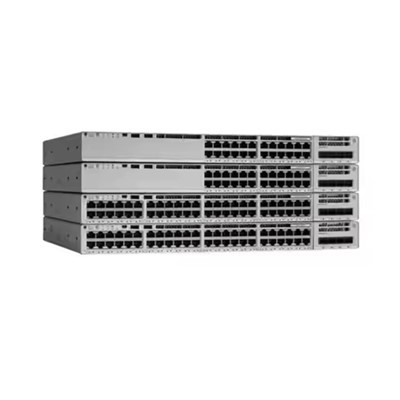
As a server supplier, I offer a range of solutions to reduce the risk of server downtime. For example, we have the NF8480 M6. This server comes with advanced hardware features that are designed to be reliable. It has redundant power supplies, which means that if one power supply fails, the other can keep the server running. It also has high - quality hard drives with built - in error - correction capabilities to reduce the risk of data loss.
Another great option is the Server Dell Poweredge R660. This server is known for its robust software management tools. These tools can help detect and fix potential software issues before they cause downtime. It also has excellent security features to protect against cyberattacks.
And then there's the H3C R4950 G5. This server is designed with high - performance cooling systems to prevent overheating. It also has a scalable architecture, which means you can easily add more resources as your business grows.
Some tips to further reduce server downtime include:


- Regularly backing up your data. This way, even if there's a hardware failure or a cyberattack, you can restore your data and get your server up and running quickly.
- Monitoring your server 24/7. Using monitoring tools can help you detect any issues early, such as a sudden increase in server load or abnormal network activity.
- Conducting regular maintenance. This includes things like cleaning the server hardware, checking for loose connections, and applying software patches.
In conclusion, server downtime is a serious issue that can have a huge impact on businesses. But with the right servers, like the ones I've mentioned, and proper maintenance and monitoring, you can significantly reduce the risk. If you're interested in learning more about our servers or want to discuss your specific server needs, don't hesitate to reach out for a purchase negotiation. We're here to help you keep your digital operations running smoothly.
References
- General knowledge from years of experience in the server supply industry.
- Industry reports on server reliability and downtime.